


Here are the new travel rules that you need to know in 2026… take note of them before you fly!
Last updated: 26 February 2026

Travel is busier than ever, and many of our favourite destinations are adapting fast. From tourist taxes to stricter entry requirements, and new Electronic Travel Authorisations — it’s becoming difficult to keep up!
While some changes are small admin steps, others could affect costs and how you plan your itinerary.
So to help you out, here’s a roundup of new and updated travel rules around the world to keep on your radar.
1) UK: Apply for an ETA before your flight
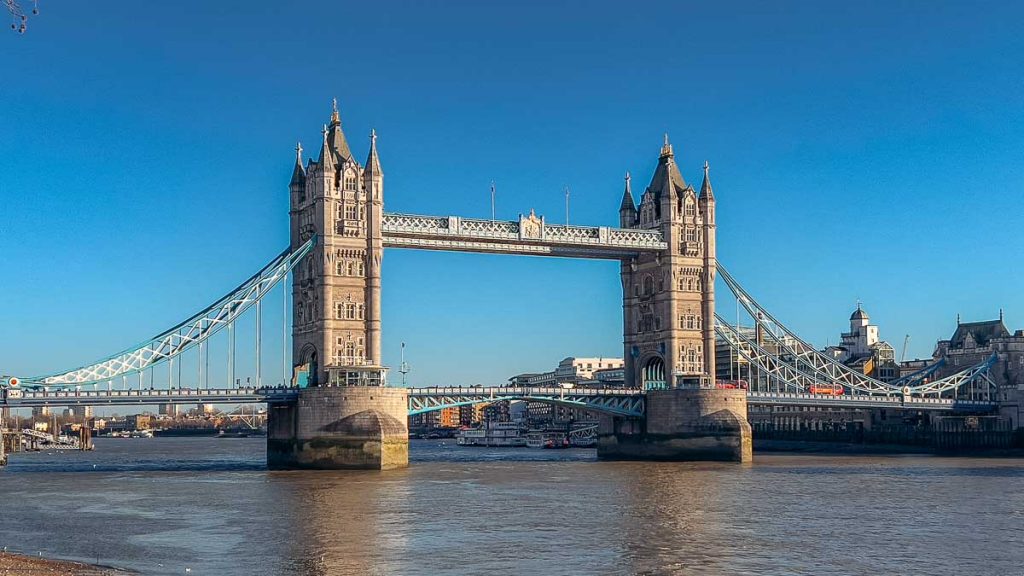
Singaporean travellers heading to the UK now need to apply for an Electronic Travel Authorisation (ETA) before their flight. The application costs £16 (~S$27), with approval linked electronically to your passport.
Most UK ETA applications are approved within minutes or a few hours, but official guidance says you should apply at least 3 working days before departure in case additional checks are needed.
Airlines will refuse boarding to those who do not have their ETA.
Read also: UK ETA Guide — Who Needs It and How to Apply for this New Travel Requirement to Enter the UK in 20
2) Japan: Higher taxes for Kyoto City accommodations
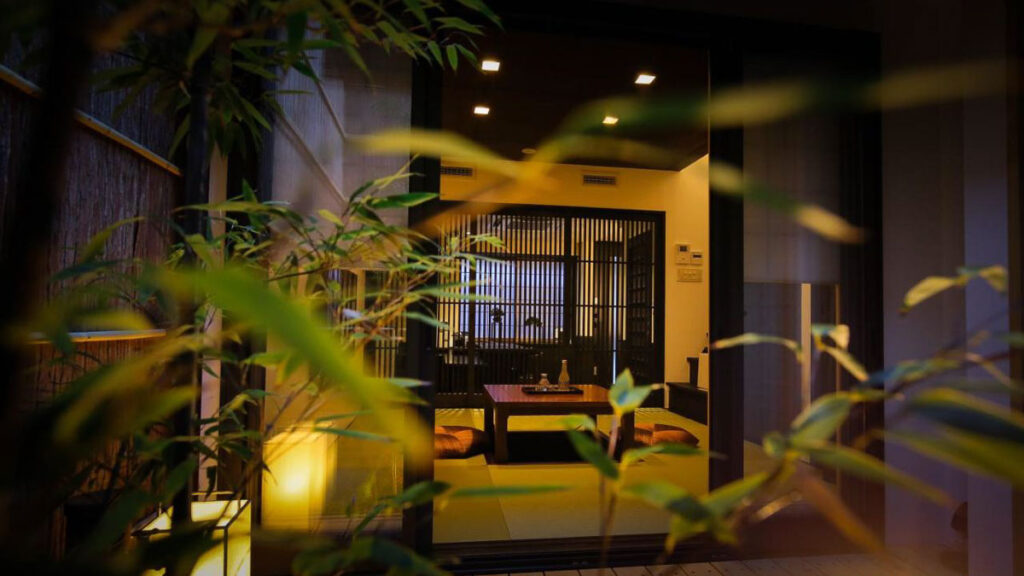
Photo credit: Booking.com
The beautiful city of Kyoto depends heavily on tourism, but that comes with wear-and-tear on historic districts and local infrastructure.
To manage this, they will implement an accommodation tax starting 1 March 2026, with the new system charging higher nightly levies for more expensive stays.
It’s still relatively small compared with the total cost of your stay, but it’s one of those little charges you’ll see at checkout.
| Room Rate | Accommodation Tax |
|---|---|
| Under ¥6,000 | ¥200 (~S$2) |
| ¥6,000 – ¥19,999 | ¥400 (~S$3) |
| ¥20,000 – ¥49,999 | ¥1,000 (~S$8) |
| ¥50,000 – ¥99,999 | ¥4,000 (~S$32) |
| ¥100,000 and above | ¥10,000 (~S$81) |
The accommodation tax is charged per person, per night. So if you’re splurging on a luxury ryokan or high-end boutique stay, the tax can add up quickly.
*Note: This only applies to Kyoto City, and not the entire Kyoto prefecture 🥳
Psst.. Budget ryokans do exist in Kyoto! Check out our guide to ryokans in Kyoto, which start from ~S$100/night.
Read also: 6D5N Kyoto-Based Japan Itinerary — Things to do Beyond Fushimi Inari Shrine and Nara Deer Park
3) Japan: No using power banks on flights

From April 2026, passengers on flights to and from Japan will no longer be allowed to use power banks during the flight, or charge them onboard. This applies to passengers transiting through Japanese airports as well.
However, you can still carry them in your cabin bag. Some reports note that passengers will be limited to two power banks per person onboard, and batteries above 160Wh remain banned.
Other airlines — primarily some Chinese and Southeast Asian carriers — have already banned in-flight power bank usage for passenger safety.
4) Thailand: Increase in departure charge starting 20 June 2026
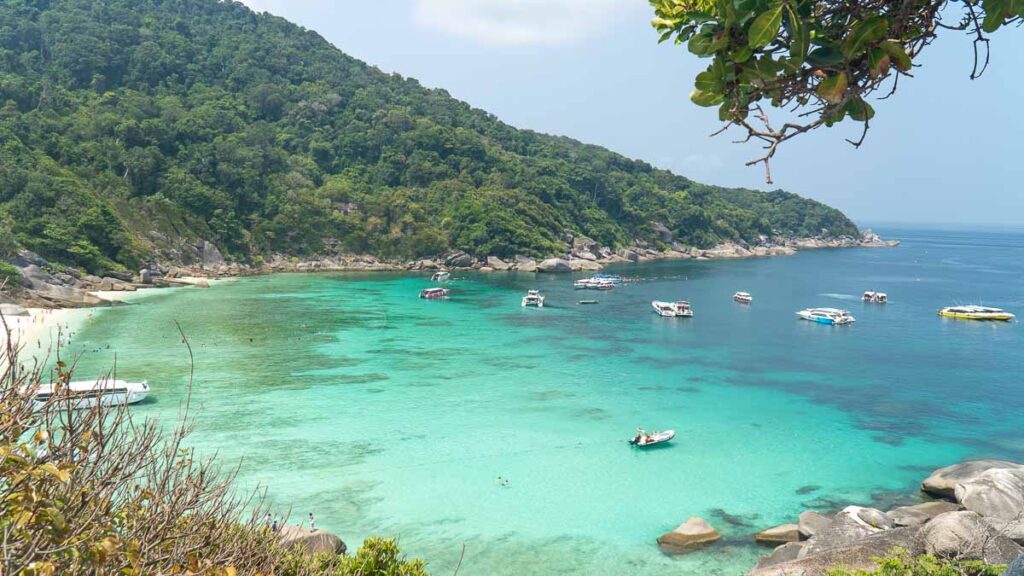
If you’re planning your next Bangkok food run or Phuket beach escape, here’s a small cost update.
From 20 June 2026, Thailand is increasing its Passenger Service Charge (PSC) — the airport departure fee included in your flight ticket — from ฿730 (~S$30) to ฿1,120 (~S$46).
The new rate applies at six airports: Suvarnabhumi, Don Mueang, Chiang Mai, Mae Fah Luang Chiang Rai, Phuket and Hat Yai.
5) Japan: The Sayonara tax triples to ~S$24

Flying out of Japan is about to cost a little more. From July 2026, Japan’s international departure tax (also called the Sayonara Tax) will increase, from ¥1,000 (~S$8) to ¥3,000 (~S$24) per person.
The fee should already be included in your flight ticket.
6) EU: Implementing ETIAS in Q4 2026

From Q4 2026: Singaporean travellers who wish to enter these 30 European countries will have to submit a European Travel Information and Authorization System (ETIAS) application for €20 (~S$34).
Take note that this is not a visa, but an electronic travel authorisation. This means it applies to visitors from countries with visa-free travel (incl. Singapore) to the Schengen zone.
The ETIAS is valid for 3 years, and allows multiple entries for up to 90 days in any 180-day period.
7) Malaysia: RM3/night hotel tax in Johor

If you’re turning that JB shopping run into an overnight stay, there’s a new fee to keep in mind.
From 1 Jan 2026, Johor will charge an additional RM3 (~S$1) per room, per night hotel tax for overnight visitors. This comes on top of Malaysia’s existing tourism tax of RM10 for international guests.
It’s a small bump, but don’t be surprised when the final amount is slightly higher than the listed room rate.
Read also: 14 Best Hotels near Shopping Malls in Johor Bahru — City Square, KSL, Paradigm
8) Thailand: Digital arrival card required
Complete the Thailand Digital Arrival Card (TDAC) within 72 hours of arrival in The Land of Smiles. You’ll need to fill in basic details like your passport info, flight number, and accommodation address.
This replaces the old paper TM6 form, and immigration officers may ask for it when you land.
9) Indonesia: Stricter enforcement of scooter laws
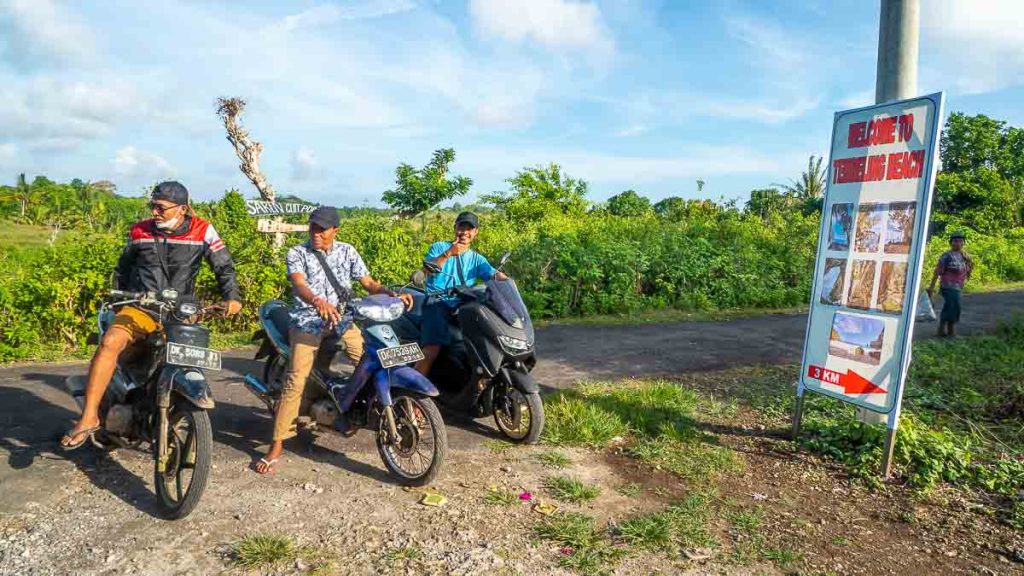
Bali has been enforcing scooter rules more strictly in the past year.
Under Indonesian law, you must carry both: (1) your home country driving licence, and an (2) International Driving Permit (IDP) that specifically covers motorbikes.
And don’t let the other tourists fool you, helmets are legally required!
Police checkpoints are common in densely-populated spots, and riding without the proper documents can result in fines. It also potentially void your travel insurance if you get into an accident.
10) Vietnam: More motorcycle licence crackdowns
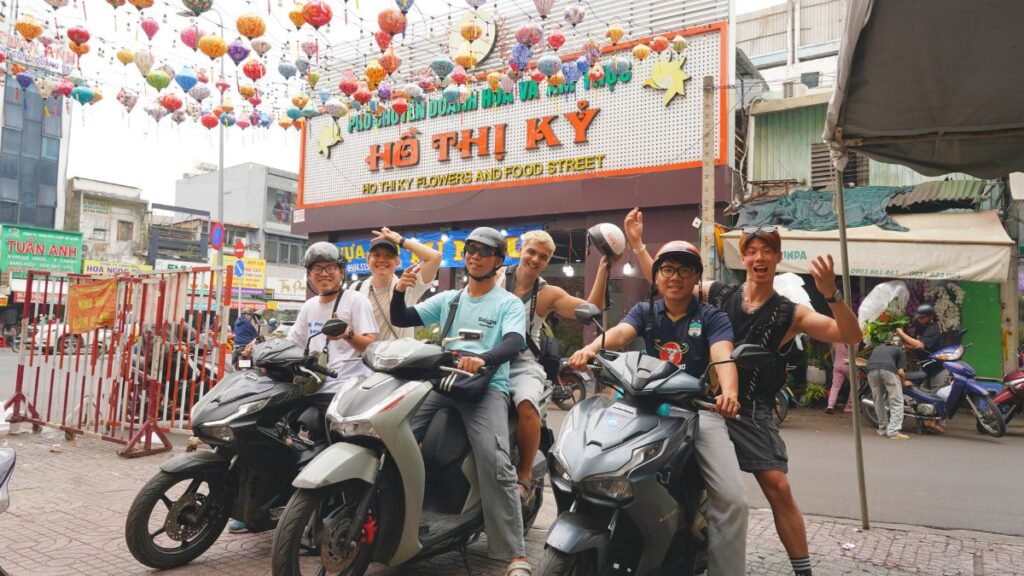
Vietnam has long required foreign motorbike riders to carry a valid home motorcycle licence plus an International Driving Permit (IDP).
In the past, police checks were inconsistent and many travellers got by without issues. But in 2025, authorities have stepped up enforcement, especially along popular routes like the Ha Giang Loop and Hai Van Pass, with more frequent checkpoints and fines.
Take note that the police now only accept IDPs issued under the 1968 Vienna Convention. The more common 1949 IDP isn’t officially accepted, and showing one can be treated as riding without a licence.
11) Indonesia: Bali tourism tax implemented

ICYMI: Since 2024, all foreigners have had to pay Rp150,000 (~S$11) in tourism tax when visiting Bali. The levy is per entry, so if you’re returning from other nearby islands back to Bali, you’ll have to fork out another Rp150,000.
Pay via the airport counters, or via the Love Bali website before arrival. For the latter option, you’ll receive confirmation via email, which you have to show upon arrival.
According to Bali provincial authorities, the tax collected will be used to improve tourist services, preserve Balinese culture and protect the environment.
Read also: 3D2N Bali Itinerary Under S$500 (incl. Flights, Accommodation and Activities)
What do you think of these new travel rules? Let us know in the comments!