
Tired of the crowds in Kyoto? Escape to the north for hidden wellness, nature, and cultural experiences — learn more in this Kyoto by the Sea guide.
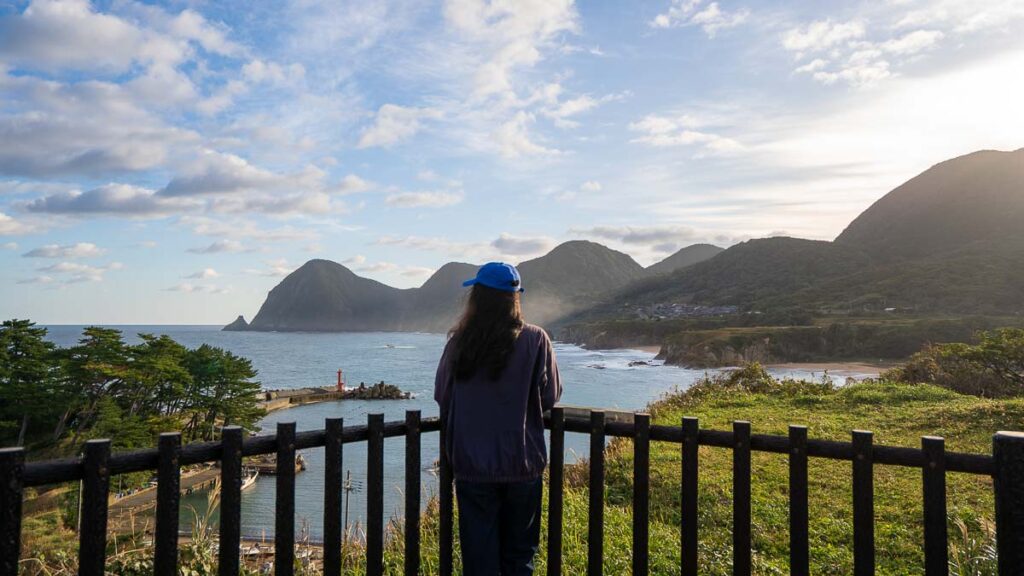
A week of being surrounded by the coasts and mountains of Kyoto by the Sea did wonders to soothe the tired soul of this city girl 🤭
For those who don’t know, it’s the underrated coastal side of the busy Kansai region — and just ~1 hour 30 minutes from the popular Kyoto City!
If you’re looking for a relaxing Japan getaway, here’s a list of things you have to add to your itinerary. Who knows? You might also end up spending a few days road tripping through this region to savour its sights 🚗
What is Kyoto by the Sea?
Kyoto by the Sea is the quieter and lesser-known side of Kyoto prefecture. It comprises seven cities and towns: Fukuchiyama, Maizuru, Ayabe, Miyazu, Kyotango, Ine, and Yosano.
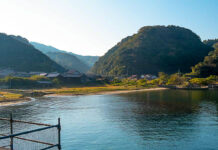
Kyoto by the Sea has epic ocean views and is backdropped by the Ōeyama mountain range, so you get the best of both worlds. Not to mention charming old towns similar to Gion, but without the crowds!
Fun fact: it’s also referred to as “Tango” by locals, as it lies along the Tango Peninsula.
How to get to Kyoto by the Sea
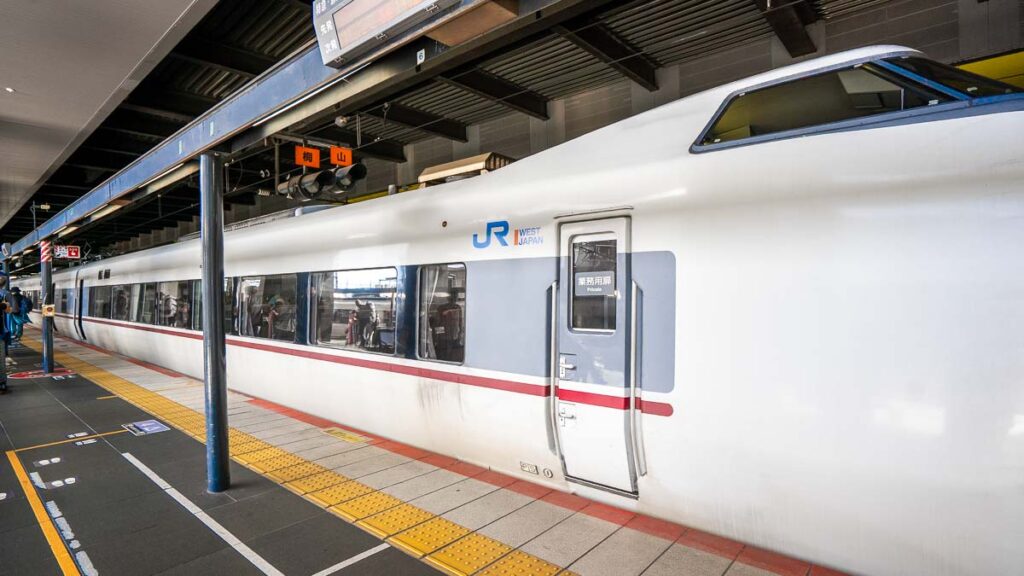
From Singapore: Take a ~6.5-hour flight to Kansai International Airport (KIX) in Osaka. Then, ride the Kansai-Airport Express “HARUKA” train for 1 hour 20 minutes to Kyoto Station. Change to the JR Limited Express HASHIDATE line for ~1 hour 30 minutes, which connects to Kyoto by the Sea by rail.
From Kyoto Station: Take the JR Limited Express HASHIDATE train for ~1 hour 30 minutes, which directly connects to Kyoto by the Sea via Ayabe, Fukuchiyama, Miyazu, Amanohashidate, and Yosano stations.
Getting around Kyoto by the Sea
By public transport
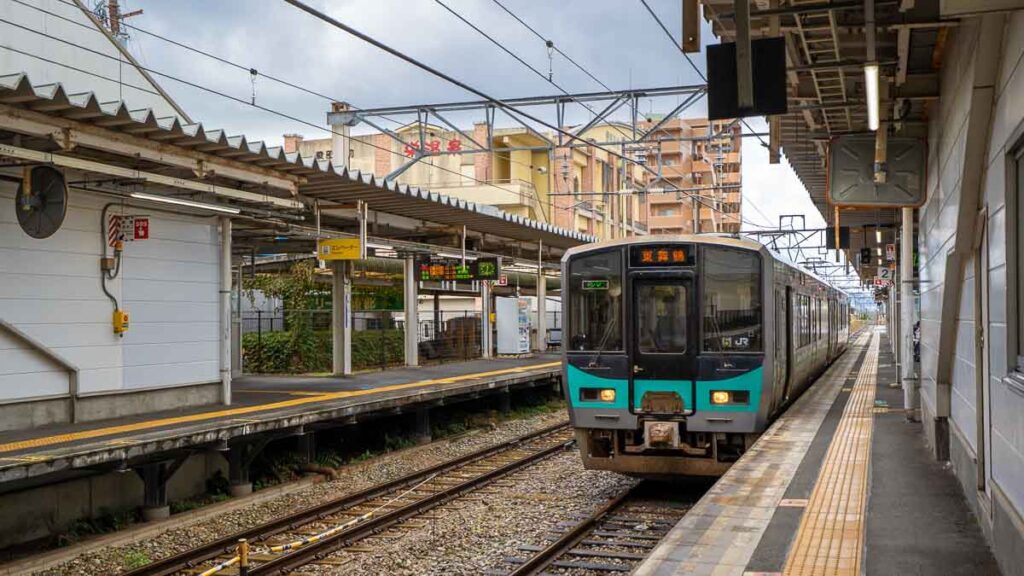
The seven cities are connected by rail, and you can easily travel between the main stations by train. Buses are available in each city, but they are not well-connected and are infrequent.
These options are more budget-friendly, but they may restrict your schedule and make it harder to reach remote areas.
Rent a car
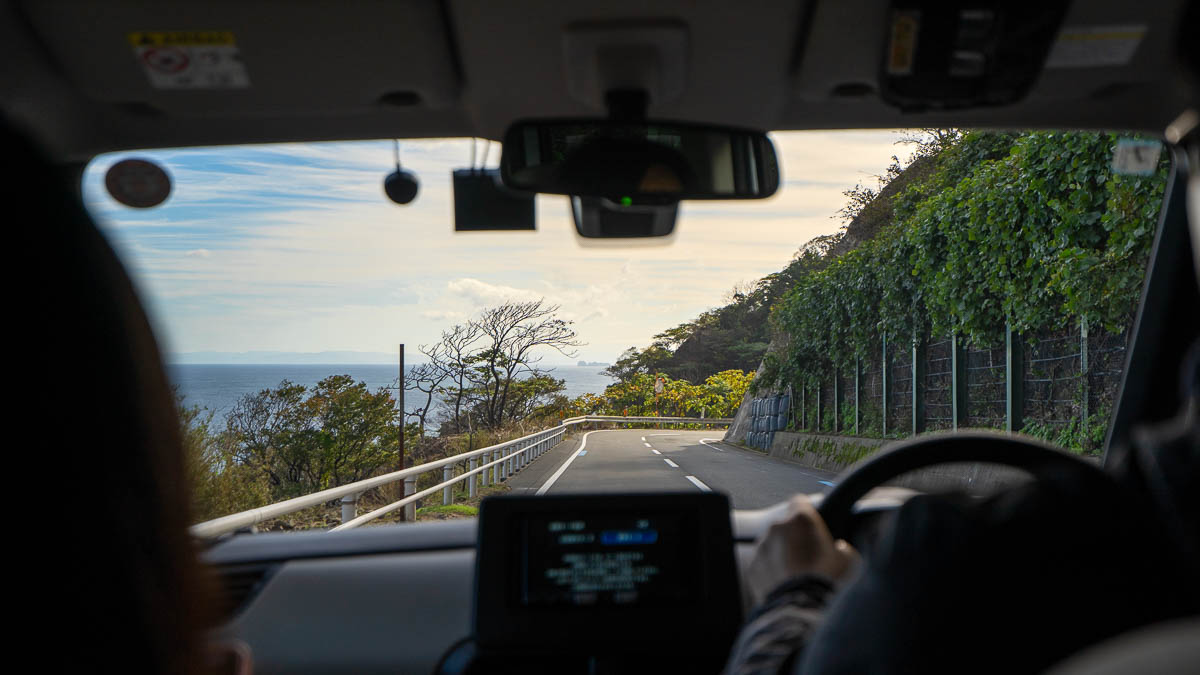
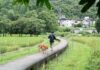
We drove by the coasts, mountains and countryside — the dreamiest road trip.
The best way to travel across the seven cities is to rent a car and self-drive. It gives you more freedom and flexibility, and also allows you to reach attractions that often go under the radar.
We recommend renting a car near Amanohashidate Station in Miyazu City, as it’s right in the centre of Kyoto by the Sea. There are also car rentals near Nishi-Maizuru Station.
Alternatively, rent a car from Kyoto City or Kansai International Airport. From the latter, it’s a ~2.5-hour drive to reach Amanohashidate Station.
Read also: Driving in Japan — 15 Things First Timers Should Know Before Planning that Road Trip
Rent an e-bike
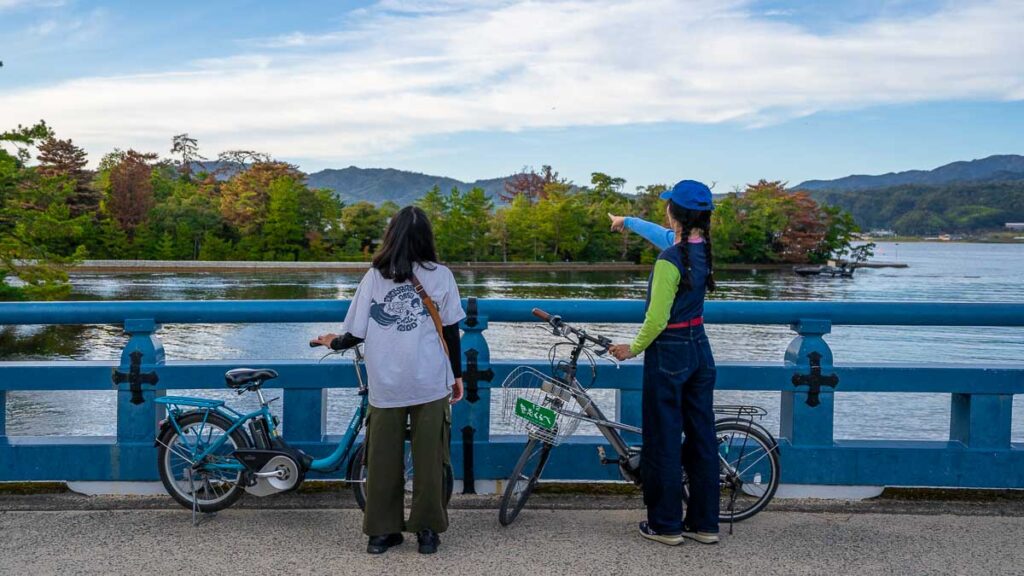
Popular coastal towns like Amanohashidate in Miyazu and Ine offer e-bike rental options to help you get around. The attractions in those cities are close to each other, and the roads are cyclist-friendly.
To explore attractions in Amanohashidate, we rented our e-bikes from Chiekurabe Souvenirs, Bike Rental & Luggage Storage — no reservations needed. It’s located in front of the train station, with rentals starting from ¥1,500/3 hours (~S$13).
There’s also the option of a 2.5-hour guided e-bike tour with English-speaking guides for those who want to dive deeper into Amanohashidate’s sights and attractions.
What to do in Kyoto by the Sea
As there are seven cities in Kyoto by the Sea, the activities are endless, and we only got to experience a slice of what the region has to offer while we were there. For those interested in exploring beyond, check out the Kyoto by the Sea DMO website.
1) Take the chairlift to Amanohashidate Viewland
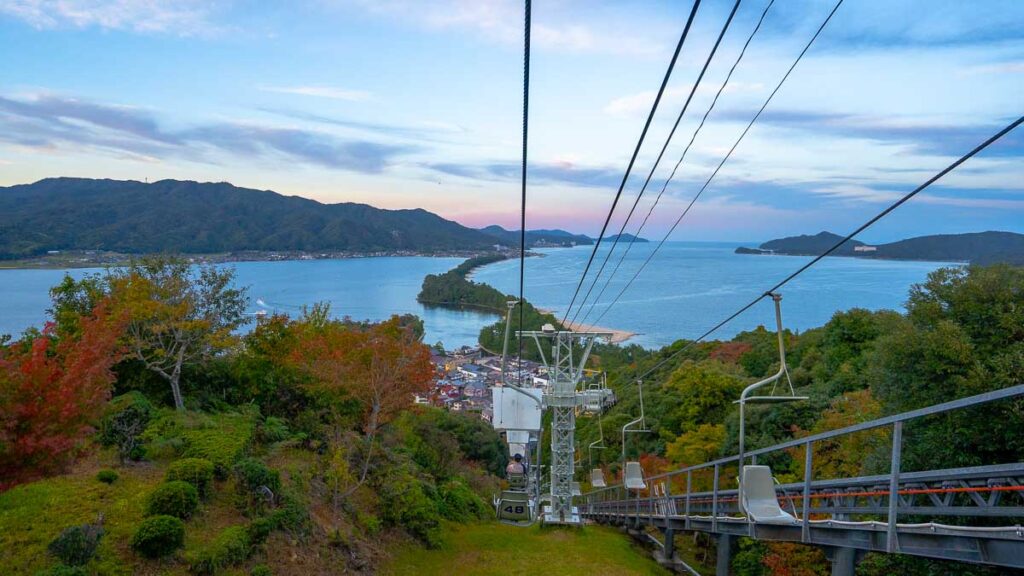
Watching the sunset from the chairlift while descending is a core memory!
Amanohashidate in Miyazu is one of Japan’s three scenic views and, in our opinion, the most iconic view in Kyoto by the Sea: a stunning pine-covered sandbar that bisects Miyazu Bay.
There’s no better way than to see it from above at Amanohashidate Viewland. To get there, you can take either the monorail or the chairlift to the top. We took the latter for extra thrill as there were no seatbelts or handlebars — plus, an unobstructed view!
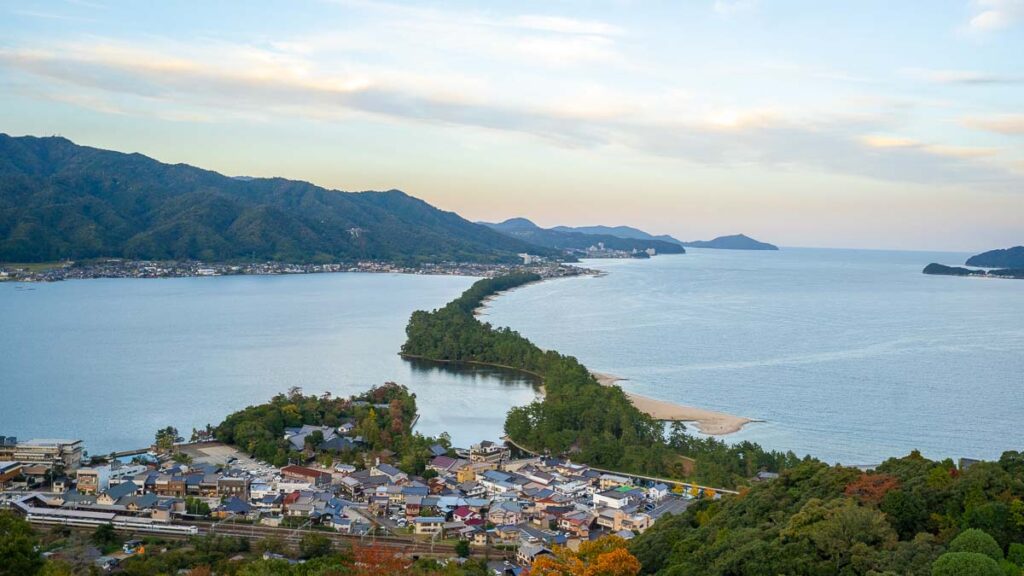
At the top, you’ll be greeted by people standing on platforms and looking between their legs. Do not be alarmed: this is a tradition known as Matanozoki!
In doing so, the land and sky are upside down, and the sandbar looks like a dragon flying into the sky — an auspicious sight 🐉
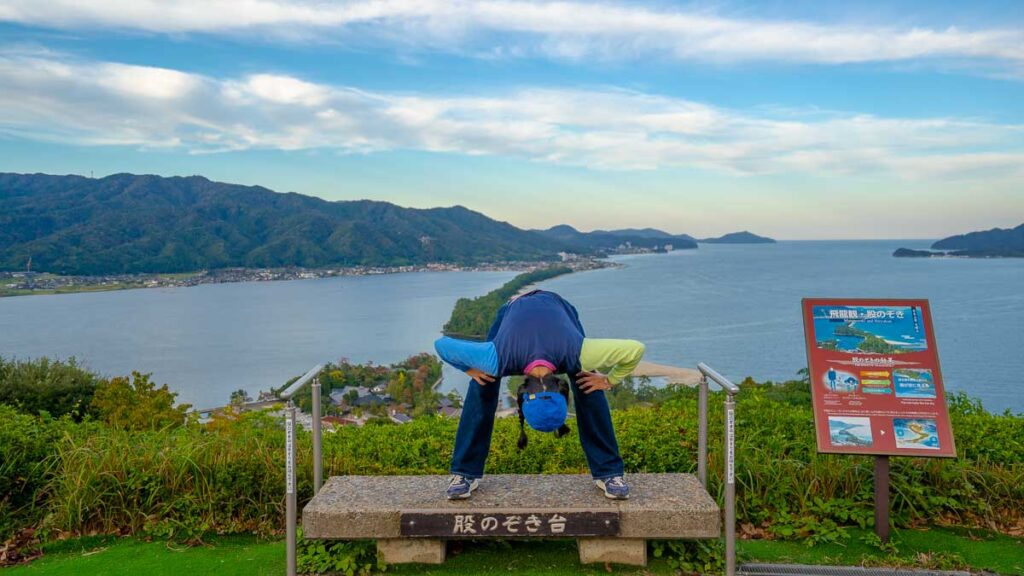
I’m not flashing the world, I’m just admiring the view!
I felt a little silly with my head between my legs on the Crotch-viewing Platform, but I definitely saw the dragon!
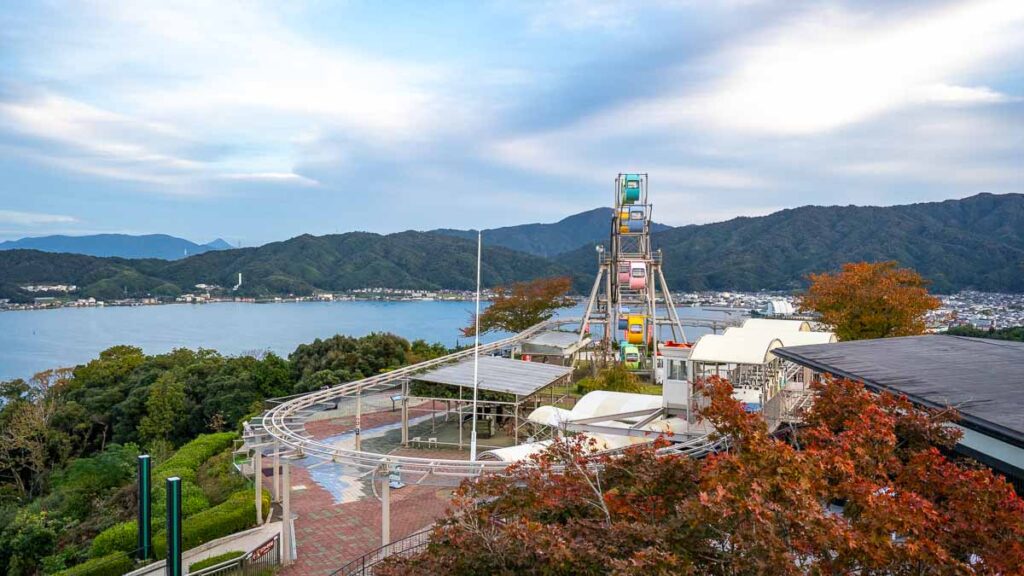
Amanohashidate Viewland also offers a mix of paid and free activities. They include a Ferris wheel, cycle-car, a viewing sky path, archery, F&B establishments and more!
Entrance fee: ¥1,000/pax (~S$8.50)
Opening hours: Varies (Last entry: 30mins before closing)
Address: 437 Monju, Miyazu, Kyoto 626-0001, Japan
How to get there: 6min walk from Amanohashidate Station (Google Maps)
2) Participate in Takigyo (Waterfall Meditation Experience)
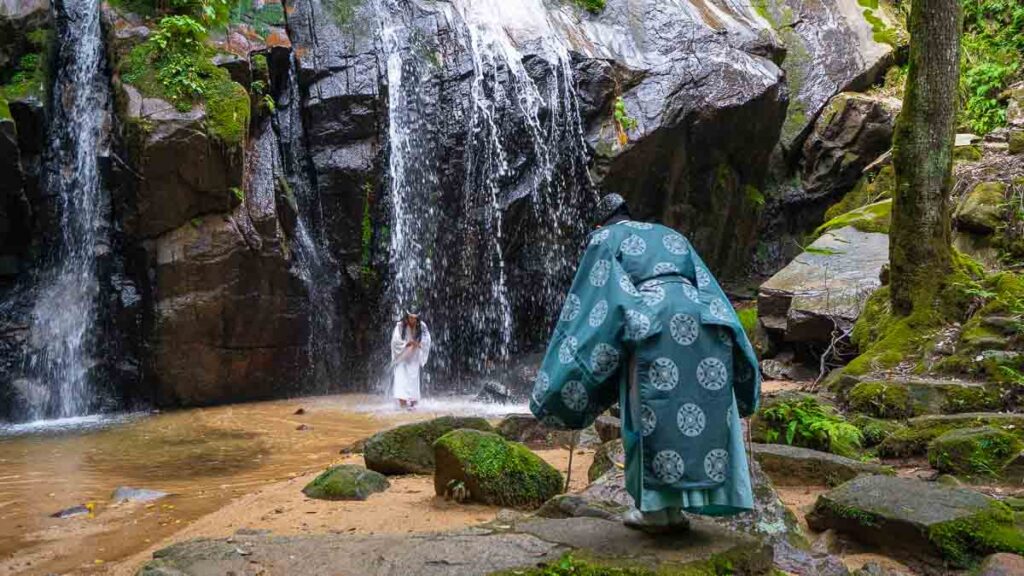
Sign up for the Kanabiki Falls Waterfall Meditation Experience in Miyazu to try takigyo, an ancient ascetic practice done by Japanese Buddhist monks and Shinto priests.
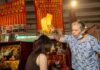
It’s a form of meditation that involves standing under a cold waterfall to test your resilience, and is said to wash away negativity so you can re-emerge with a purified body and heart!
We had to hike for 10 minutes to the Kanabiki Falls, before meeting a Shinto priest and changing into a set of white robes provided inside a nearby shed.
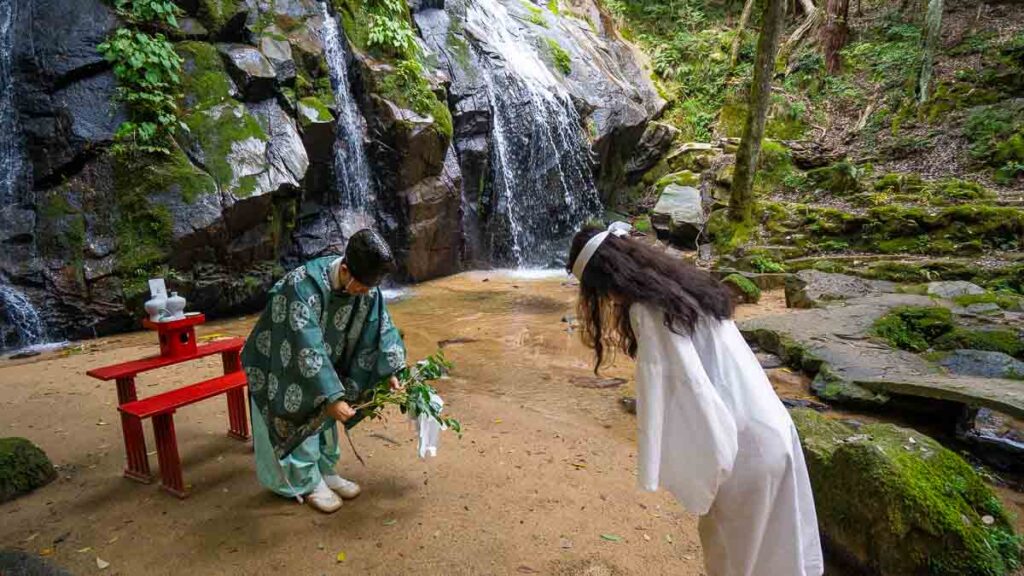
The ceremony begins with prayers by the priest and the offering of sakaki leaves, followed by the main event: the waterfall meditation.
It was the start of November, so the weather was in the comfortable 15°C range. Nonetheless, I was not prepared for how freezing the waters were.
My feet were numb as the powerful falls rolled over my back, but I had to focus on staying still and not showing any reaction — a form of meditation for my usually active mind!
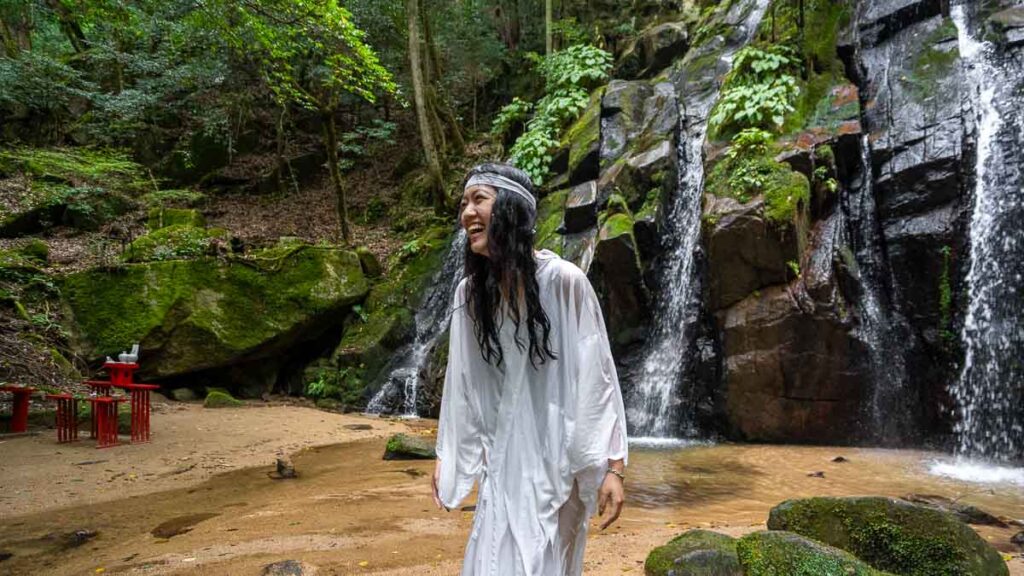
I stood under the falls for a minute and came out reborn (albeit shivering). Just kidding, but it was gratifying to push my physical and mental limits successfully.
*Pro-tip: Bring a swimsuit, slippers and a towel for the activity.
Cost: ¥10,000/pax (~S$84) incl an English interpreter
Activity timings: 9AM – 10:30PM
Meeting point: Roadside Station Kyoto by the Sea MIYAZU information center(3007 Hamamachi, Miyazu, Kyoto)
How to get there: Walk 11min from Miyazu train station to Reception of Roadside Station Kyoto by the Sea MIYAZU Information Center. From there, rent an e-bike and cycle to Kanabiki Waterfall (Google Maps)
*Note: There is a minimum requirement of two participants for the activity to proceed. The package also includes e-bike rental to get to and fro Roadside Station Kyoto by the Sea MIYAZU information center.
3) Ride the KURO-MATSU sightseeing train
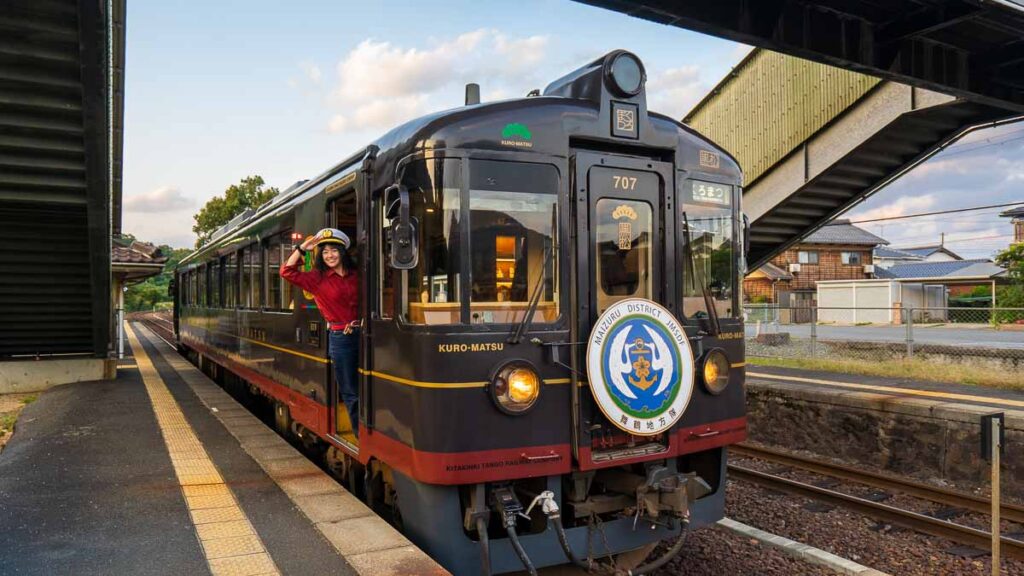
All aboard the Tango KURO-MATSU train 🚂
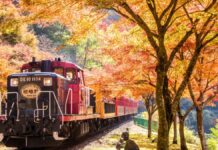
This is a 1.5-hour sightseeing restaurant train that journeys along the Tango Peninsula, passing through the countryside, mountains, and coast. The interior is lined with wood to give it a luxurious yet nostalgic atmosphere.
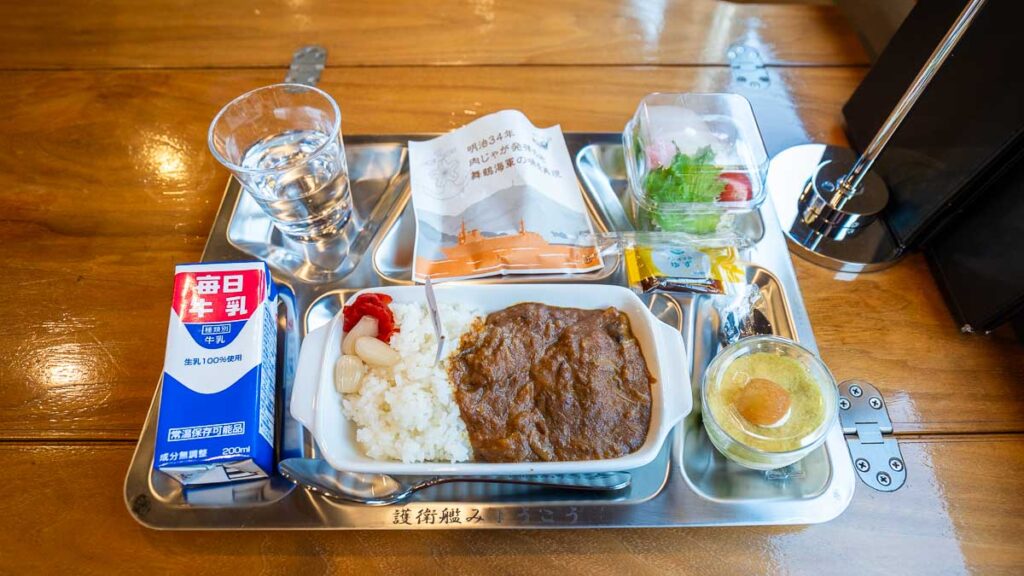
We took the Japan Maritime Self Defense Force (JMSDF) Maizuru District Force Course, which runs from Amanohashidate Station to Nishi-Maizuru Station.
On our ride, we even had curry — just like the JMSDF does on Fridays!
Note: The JMSDF course is only available until 31 Mar 2026 and is subject to change from Apr 2026.
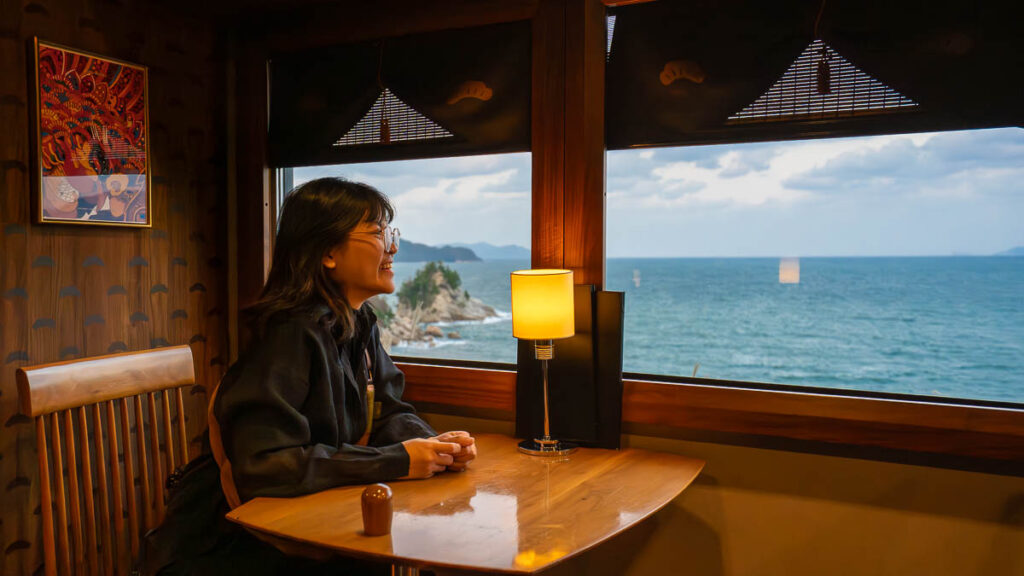
The highlight of our journey was when the train slowed down as it crossed the Yura River Bridge because we were surrounded by water on both sides. It looked like the scene from Spirited Away when No Face and Chihiro were on the train 🥹
The KURO-MATSU train also runs different routes with unique menus that change every 6 months, offering options for different budgets. The booking window opens three months before the date of departure.
Breakfast Course
Cost: ¥7,000/pax (~S$59)
Train timing: 10:08AM – 11:48AM (Fri – Sun)
Route: Fukuchiyama Station to Amanohashidate Station
Lunch Course
Cost: ¥15,000/pax (~S$126)
Train timing: 1:05PM – 2:50PM (Fri – Sun)
Route: Amanohashidate Station to Nishi-Maizuru Station
JMSDF Maizuru District Force Course
Cost: ¥4,500/pax (~S$38)
Train timing: 4:05PM – 5:24PM (Fri – Sun)
Route: Amanohashidate Station to Nishi-Maizuru Station
Note: All courses will be suspended from 22 Dec 2025 to 12 Mar 2026 due to vehicle maintenance.
4) Go shrine-hopping
Nariaiji Temple
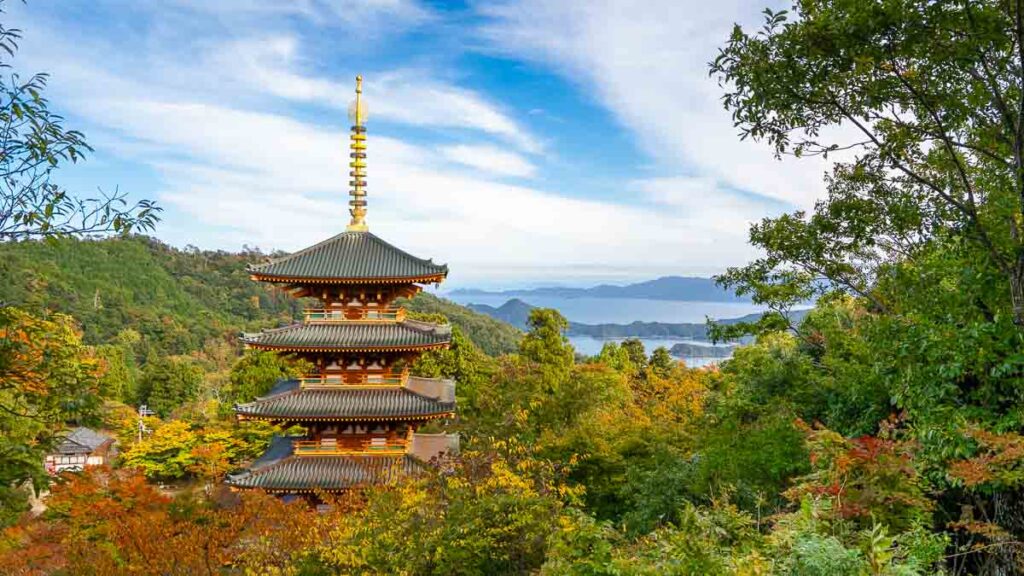
Nariaiji Temple is a Buddhist temple sitting at the top of Mount Tsuzumigatake, and overlooks Amanohashidate.
There’s a little trail that leads to a lookout point where you can see both the pagoda and the Amanohashidate sandbar. If you’re driving, go to the very top of the mountain to get a panoramic view of the entire bay.
Entrance fee: ¥500/pax
Opening hours: 8AM – 4:30PM
Address: 339 Nariaiji, Miyazu, Kyoto 629-2241, Japan
How to get there: Take the chairlift from Fuchu Station to Kasamatsu Park. From there, take the temple shuttle bus for 30mins (Google Maps)
Motoise Kono Shrine
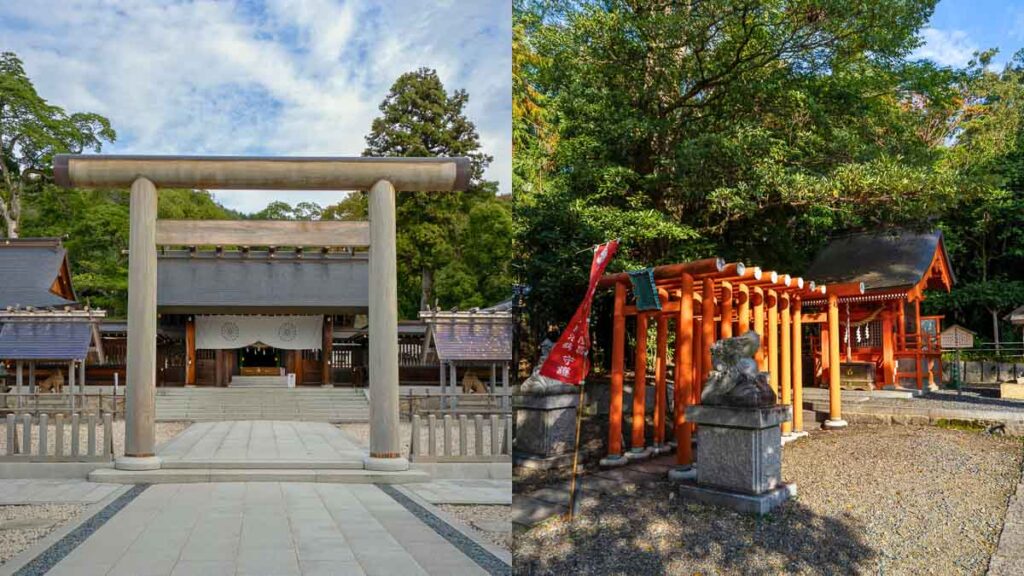
Check out the Motoise Kono Shrine in Miyazu, which is dedicated to the sun goddess and the goddess of agriculture. It’s one of Japan’s oldest shrines and has been designated as a National Treasure.
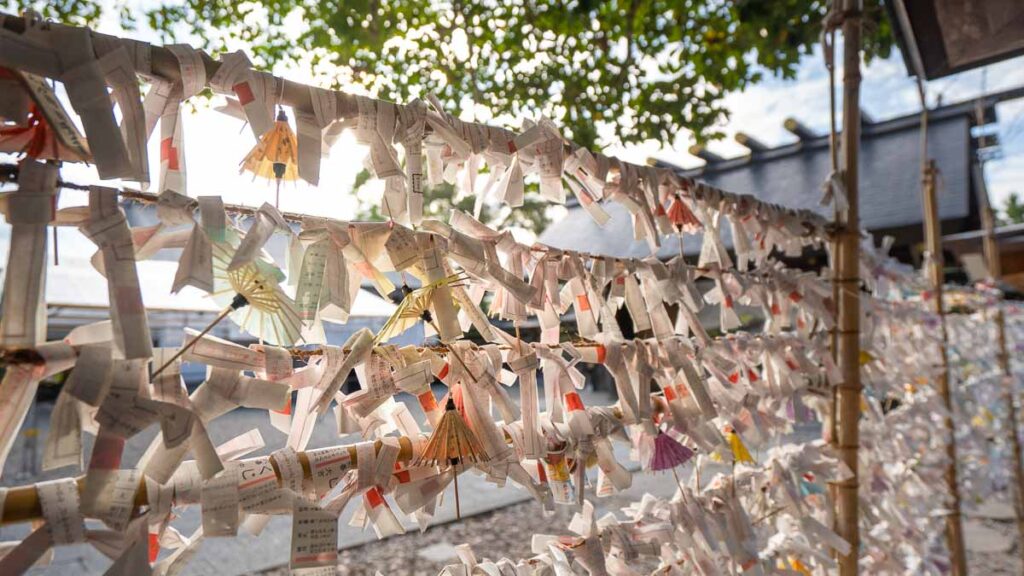
They have many interesting omikuji fortune slips. We saw one in the shape of an umbrella, and another that had cartoon zodiac animals!
Opening hours: 7:30AM – 5PM
Address: 430 Ogaki, Miyazu, Kyoto 629-2242, Japan
How to get there: 2min walk from Amanohashidate Cable Car Bus Stop (Google Maps)
Manai Shrine
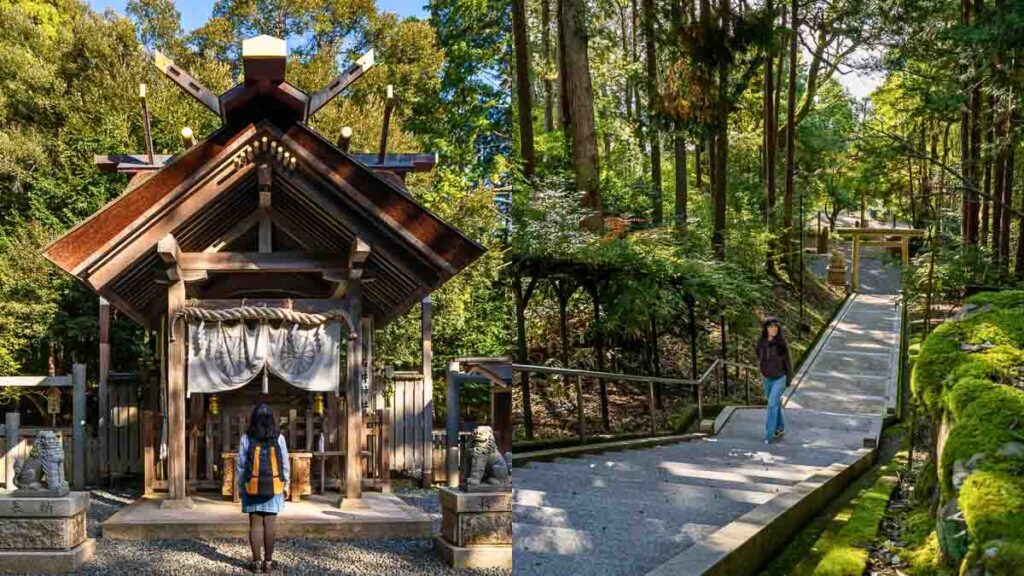
Just a 10-minute walk from Motoise Kono Shrine is the lesser-known Manai Shrine. Nestled inside a serene bamboo forest, it feels like an alternate universe, seeing the morning sun peek through the leaves.
We saw locals taking home the sacred spring water called “Ame no Manai no Mizu” (translation: heavenly water of Manai), as it’s said to be pure and from the heavens.
Opening hours: 24hrs
Address: 905 Nakano, Miyazu, Kyoto 629-2232, Japan
How to get there: 10min walk from Motoise Kono Shrine (Google Maps)
Motoise Naiku Shrine
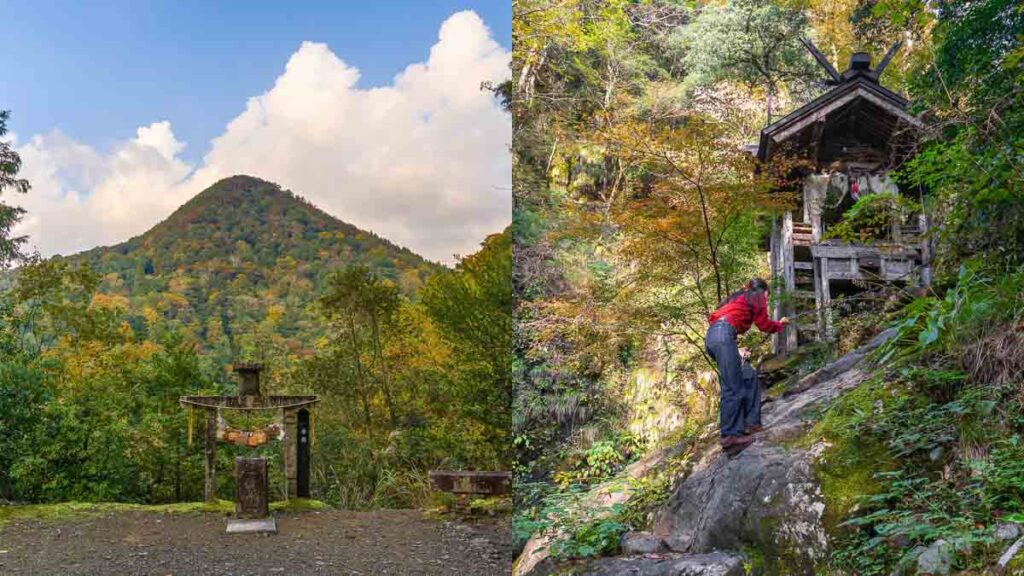
Mt. Himurogatake power spot (left) and Amanoiwato Shrine (right).
Motoise Naiku Kotai Shrine in Fukuchiyama is also dedicated to the sun goddess. The shrine is situated deep within a cedar forest, with sacred trees and a 1.7km trail that loops back to the car park.
Aside from the main shrine, the trail takes you to Mt. Himurogatake Power Spot. It’s said that if you make one wish while facing Mount Oe, it’ll come true.
Then, head down some stairs to get to Amanoiwato Shrine. You will need to climb up the side of a rock by using a metal chain. The energy here was mystical✨
*Pro-tip: Wear proper footwear as the ground can be uneven at times.
Opening hours: 24hrs (Note: Shrine office is open from 8AM – 4PM)
Address: 217 Oecho Naiku, Fukuchiyama, Kyoto 620-0323, Japan
How to get there: 15min walk from Oeyamaguchinaiku Station (Google Maps)
5) Spend the morning at Ine Fishing Village
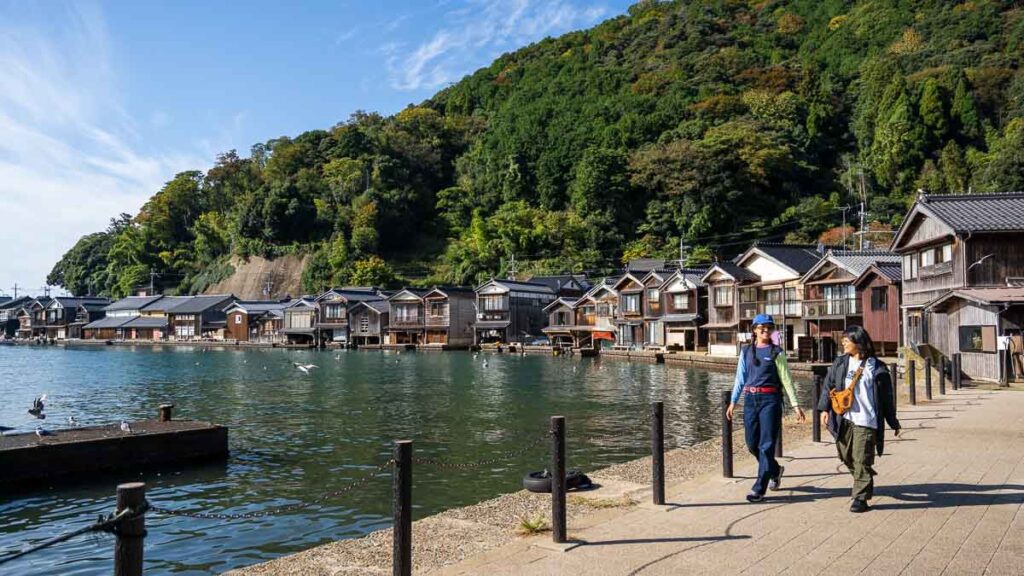
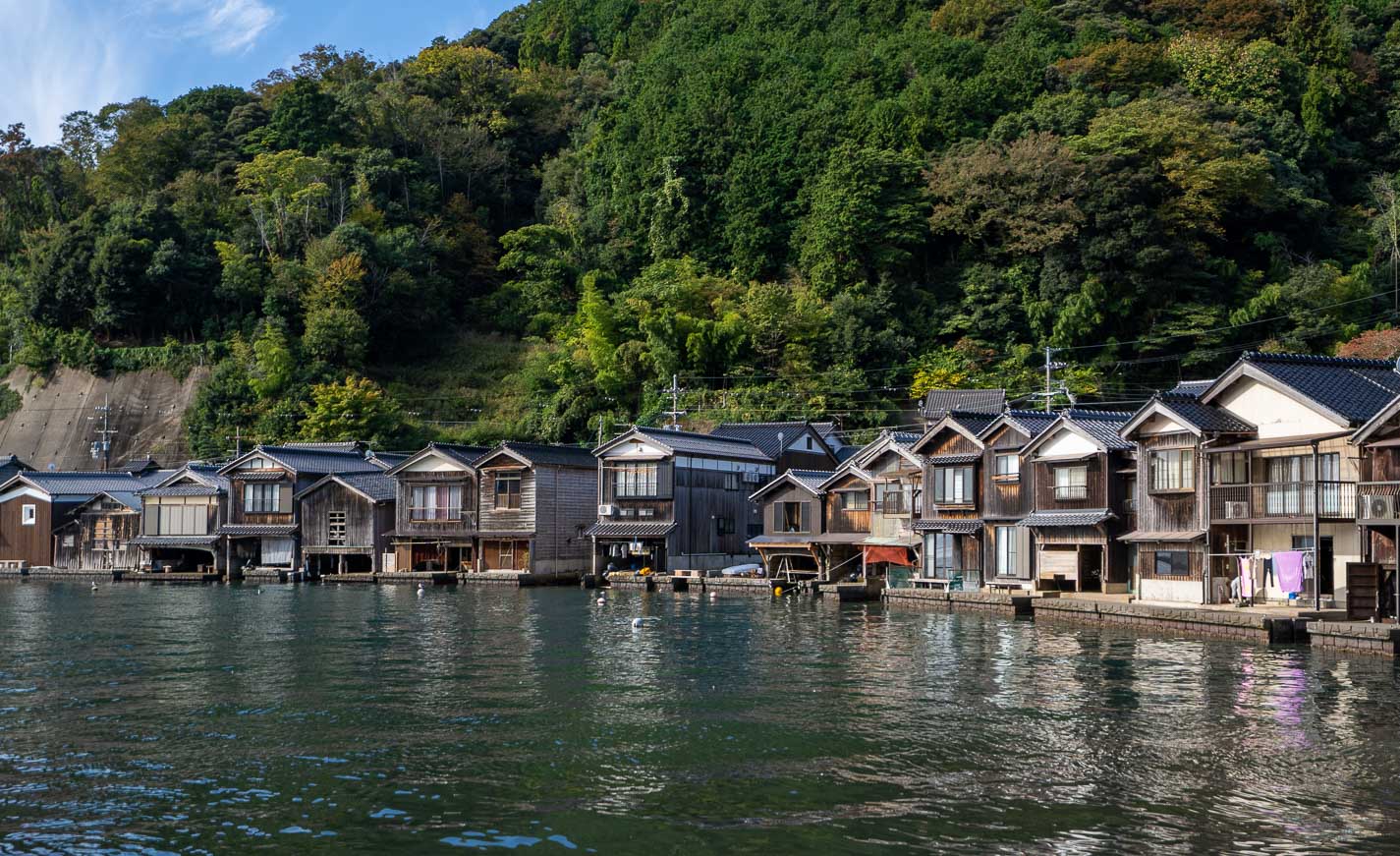
No trip to Kyoto by the Sea is complete without visiting its most popular town, Ine.
Ine is a picturesque fishing village known for hundreds funaya (wooden boathouses) that line the bay. They are used to store fishing boats, but some of them have been converted into luxury stays. Some residents do still live in the funayas and neighbourhood so don’t enter any without permission and avoid noise.
If you’re interested in visiting one, there is a preserved funaya you can walk in for just ¥200!
We recommend exploring Ine in the morning as the tourist buses arrive after lunch. It’s a pretty walkable small town, with many Instagrammable spots and places to watch the waters.
There are also complimentary bicycles from the Tourist Information Center that visitors can use.
Ine Fishing Village
Opening hours: 24hrs
Address: Hirata, Ine, Yoza District, Kyoto 626-0423, Japan
How to get there: Take the Tankai Bus from Amanohashidate Station for 1hr to Ine bus stop (Google Maps)
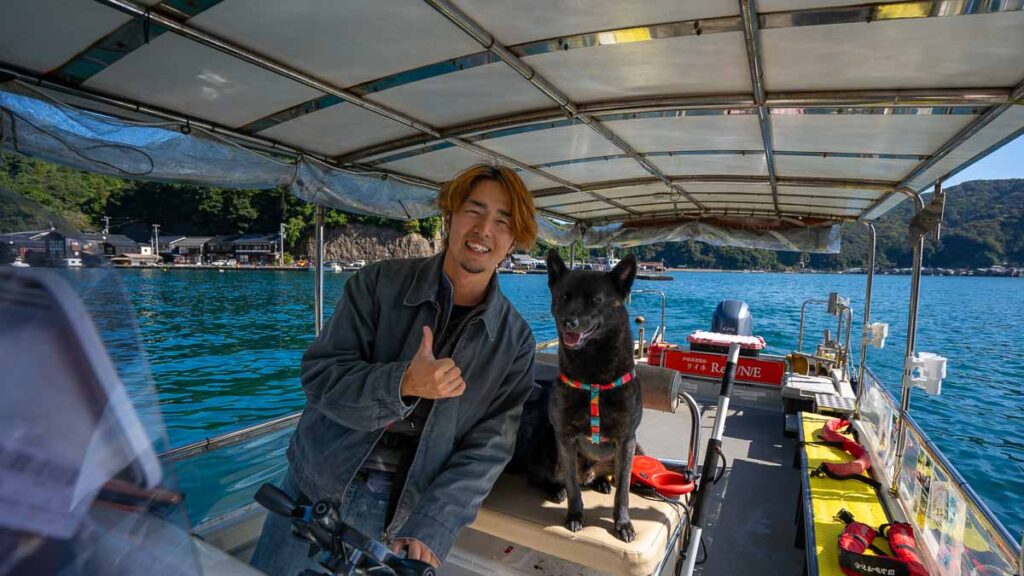
Our captain and the cutest crew member 🐕🦺
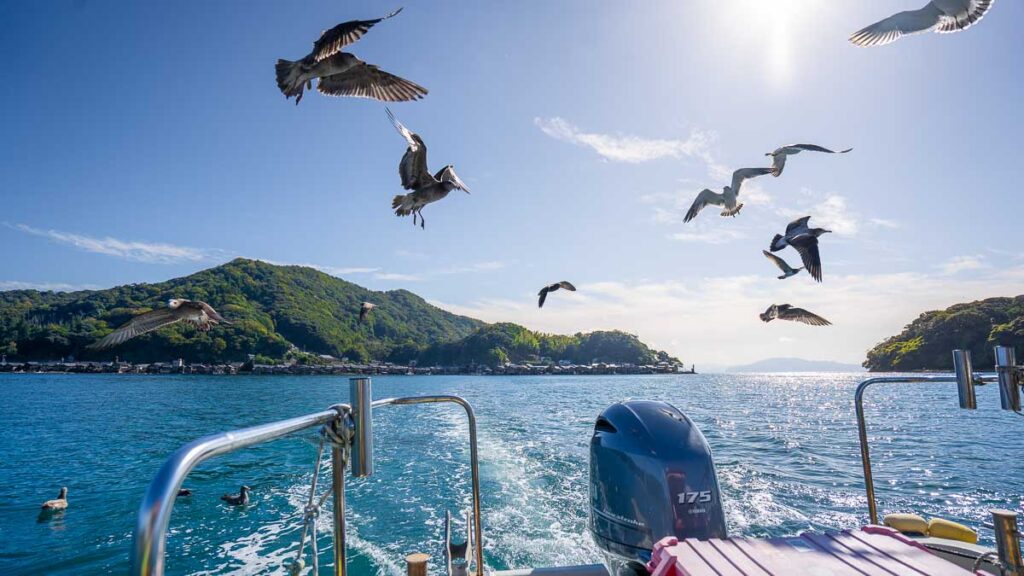
The highlight of our trip to Ine was taking the sea taxi, which provided a stunning view of the village from the sea.
From Kameshimamaru Sea Taxi Boarding, the captain told us about the village’s history and pointed out landmarks within the area. Plus, the birds chasing after the boat gave an exciting twist to the ride!
There’s no need to make reservations for the sea taxi, as there are seven vendors constantly looping around the three different pickup points from 9AM – 5PM. Just pay the fare in cash (¥1,000/pax) to board the boat!
Kameshimamaru Sea Taxi Boarding
Cost: ¥1,000/pax (~S$8)
Sea taxi timings: 9AM – 5PM
Address: 505-4 Hirata, Ine, Yoza District, Kyoto 626-0423, Japan
How to get there: 2min walk from Ine Tourist Association (Google Maps)
6) Rent a kimono and explore Yosano-cho
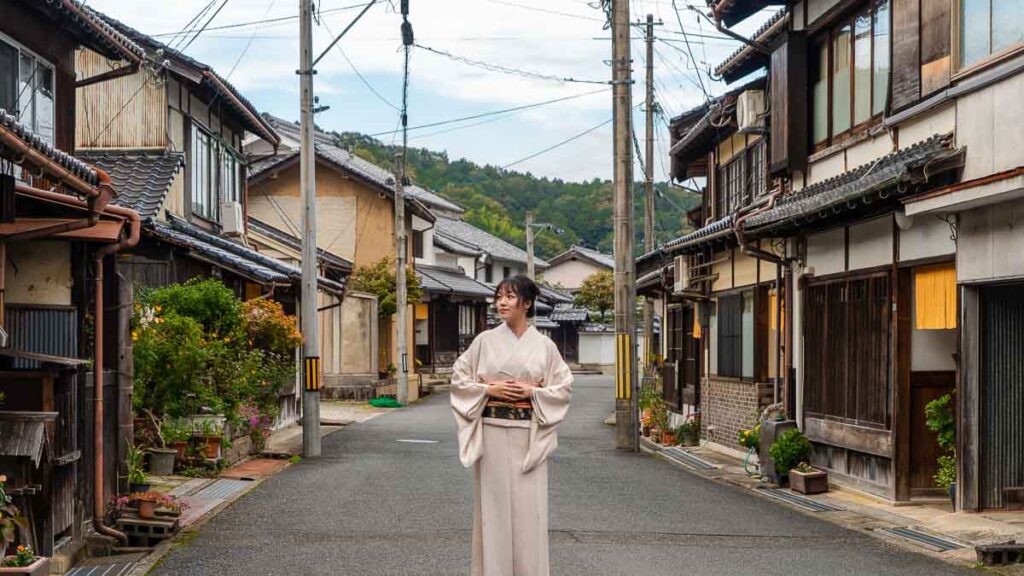
Did you know that the Tango region produces 60% of Japan’s kimono fabrics?
Tango is Japan’s largest silk fabric production region, specialising in Tango chirimen silk. It’s woven to have a crimped, bumpy surface that is hard to wrinkle — perfect for a kimono.
Try the Tango Chirimen Kimono Experience, which includes a kimono rental, a walk through town, and lunch in a historic house.
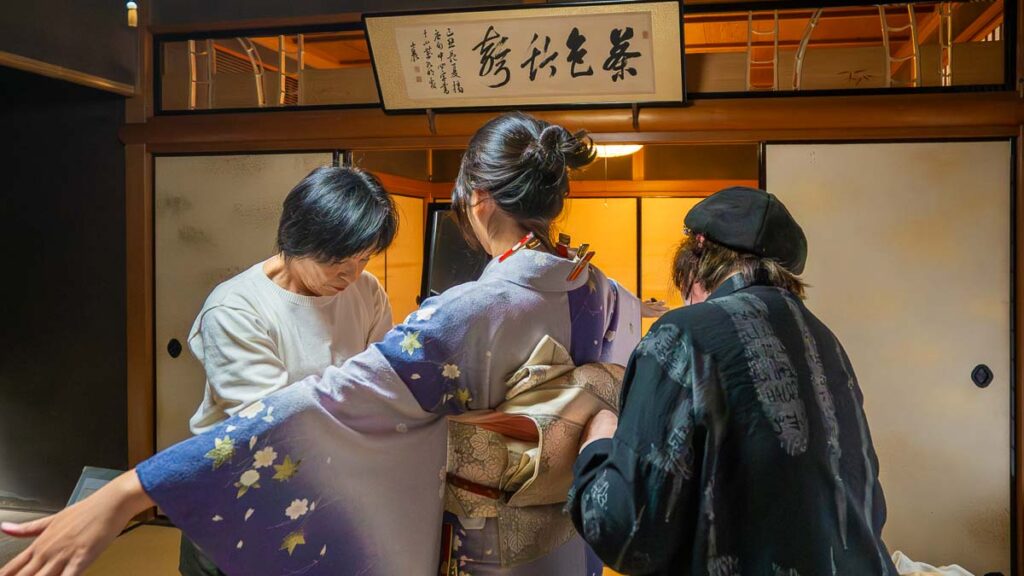
I’ve rented kimonos from tourist shops before, but this felt more authentic. For one, the silk kimonos are stored in boxes and preserved in parchment, as if they were passed down family heirlooms.
They are sophisticated and luxurious, taking almost an hour to adorn due to the sheer number of steps and layers. Plus, getting dressed by an obāchan in a tatami room really made it feel like I was in the 1800s preparing for a ceremony 👘
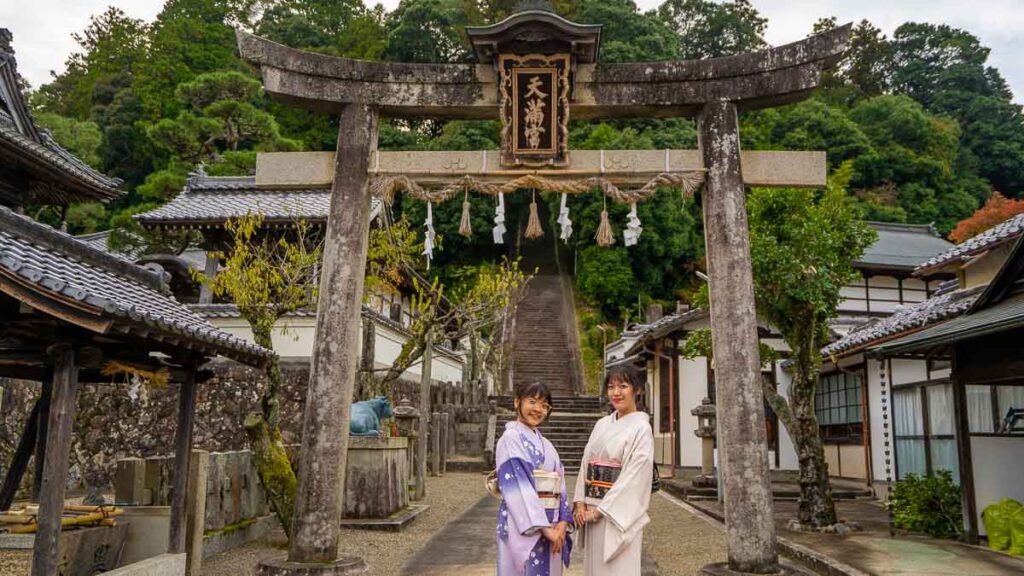
After getting dressed, explore Chirimen Kaidō, also known as the Tango Silk Road.
It’s a historic street lined with old wooden houses that was once the epicentre of the silk weaving industry during the Edo period. There were no tourists when we were there, making it perfect for taking photos!
Then, end the experience with a multi-course lunch at the Former Bito Family Residence, where a prominent family in the town used to live. If you’re interested in learning more about chirimen silk, you can book a factory tour for a behind-the-scenes look at how it’s made.
Cost: From ¥19,800/pax (~S$167; reservations required)
Opening hours: Contact the Yosano Tourist Association for specific hours
Meeting point: Former Kaya Town Hall (Yosano Town Tourist Association), 1060 Kaya, Yosano, Yoza District, Kyoto 629-2403, Japan
How to get there: 1min walk from Chirimen Kaido bus stop (Google Maps)
7) Learn about Onis at the Japan Oni Cultural Museum
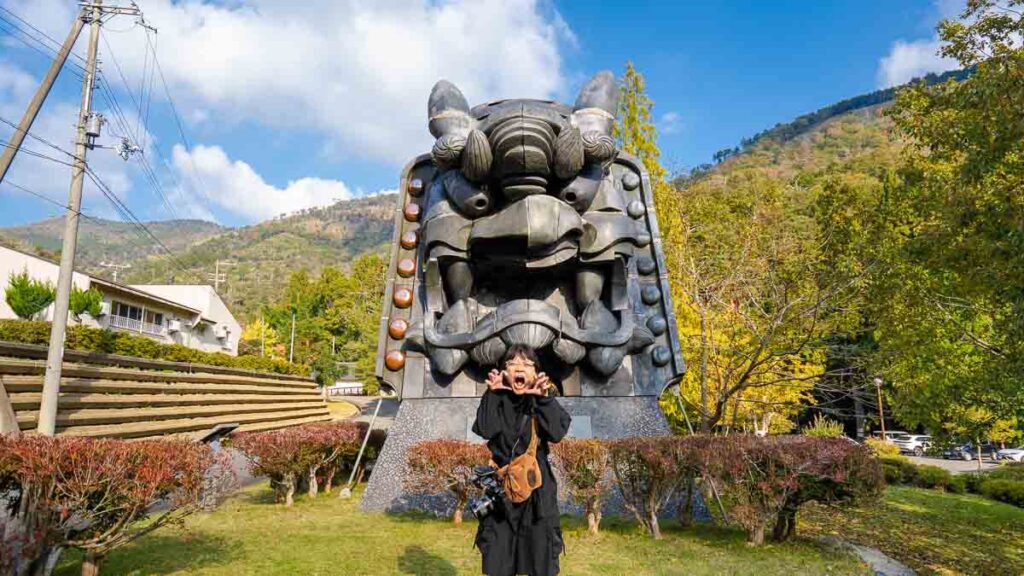
Summoning all Demon Slayer fans to the Japan Oni Cultural Museum in Fukuchiyama 👺
For those unfamiliar, an oni is a supernatural creature from Japanese folklore which refers to a demon, ogre, ghost, or troll — but they‘re not always bad.
This museum is nestled in the Oeyama mountain range, and is home to the Shuten dōji, an oni who was said to have terrorised the Kyoto region before.
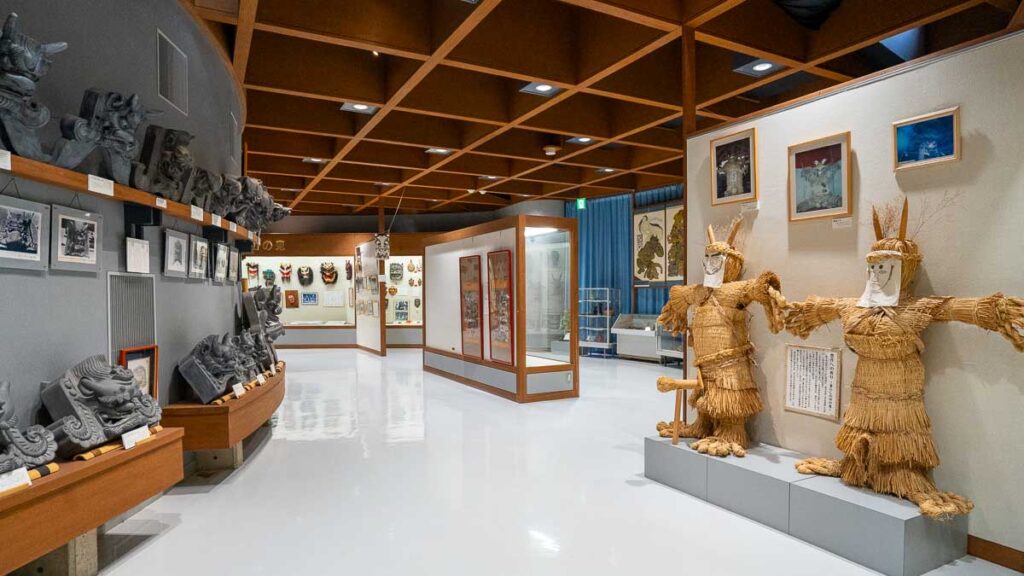
Visitors can learn more about him and local folklore at the museum, with hundreds of artefacts and oni masks traditionally used in festivals.
Entrance fee: ¥330/adult
Opening hours: 9AM – 5PM (Last entry 4:30PM) (Closed on Mon)
Address: Japan, 〒620-0321 Kyoto, Fukuchiyama, 大江町仏性寺909
How to get there: 26min drive from Miyazu Station (Google Maps)
8) Take in the epic coastal views of San’in Kaigan Geopark
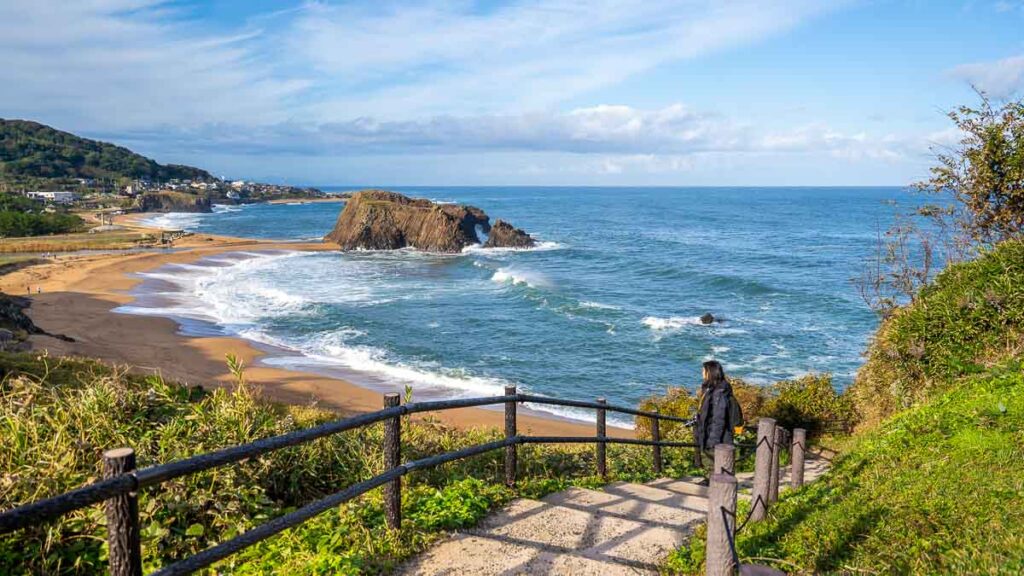
San’in Kaigan UNESCO Global Geopark spans across Hyogo, Tottori, and ends in Kyotango in Kyoto by the Sea. With rugged coastlines along the Sea of Japan, it’s geographically celebrated for the variety of formations, caves, sand dunes and more 🌊
Wake up early to catch the sunrise at Onaru Kofun Observatory (right next to the Onaru Burial Mounds), a lesser-known lookout point near Kyotango City. It was really windy when we went, but we could barely feel the chill as we watched the landscape bathe in a golden glow.
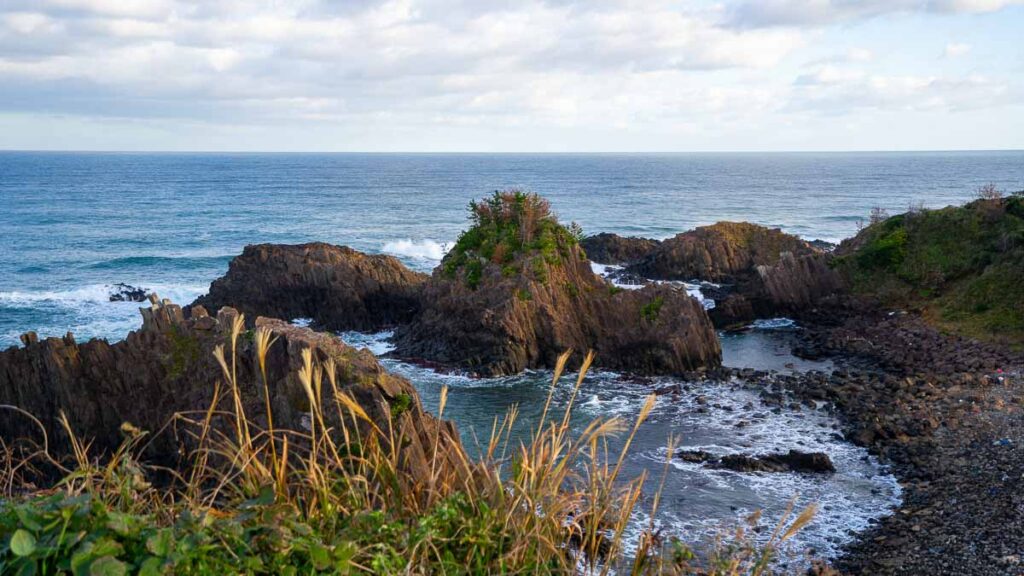
Jagged rock formations, the mountains and the nearby town can be seen from the viewpoint.
If you walk down the flight of stairs on the left (facing the ocean), it’ll lead to Tateiwa Beach, where a 20m high volcanic basalt formation named Tateiwa sits. According to legend, an oni was trapped in the giant rock by a prince, and you can still hear its cries on windy nights today.
In the summer, you can go on a SUP tour to explore the caves of the Tango Peninsula.
*Note: Bookings for the SUP tour are currently unavailable and will reopen for next summer.
Entrance fee: Free
Opening hours: 24hrs
Address: Tangocho Takano, Kyotango, Kyoto 627-0221, Japan
How to get there: 8min walk from Takano Bus Stop (Google Maps)
9) Explore the many compounds of Maizuru Red Brick Park
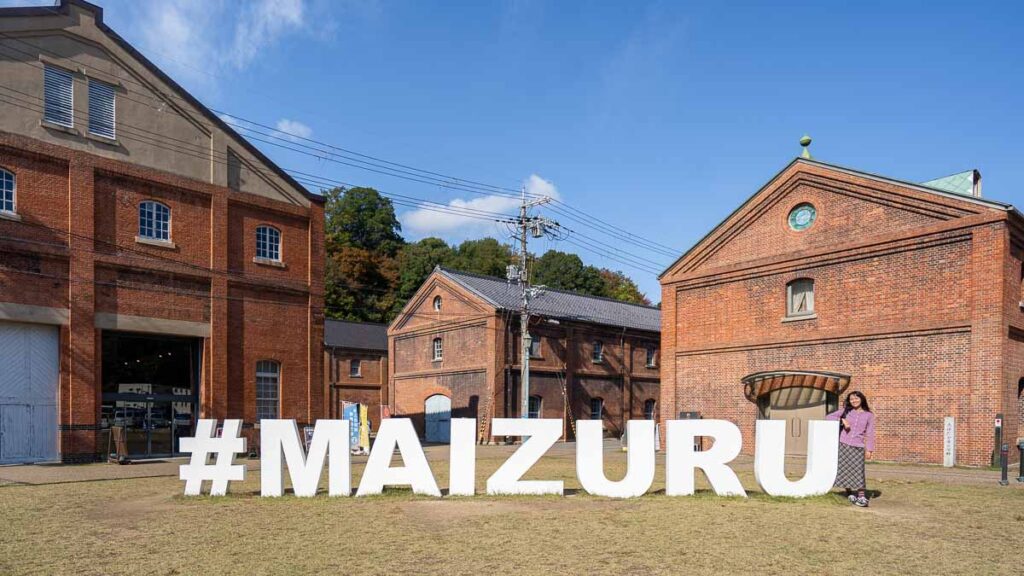
5 out of 12 buildings have been refurbished and opened to the public!
If you think Kyoto by the Sea is just scenic views and cultural experiences, you’re wrong 🤓
Maizuru Red Brick Park is a former naval district storehouse-turned-lifestyle compound, with cafes, restaurants, retail shops, food trucks, event spaces, a museum on bricks, and a coworking space. It’s one of the most bustling places in Maizuru City, especially on the weekends!
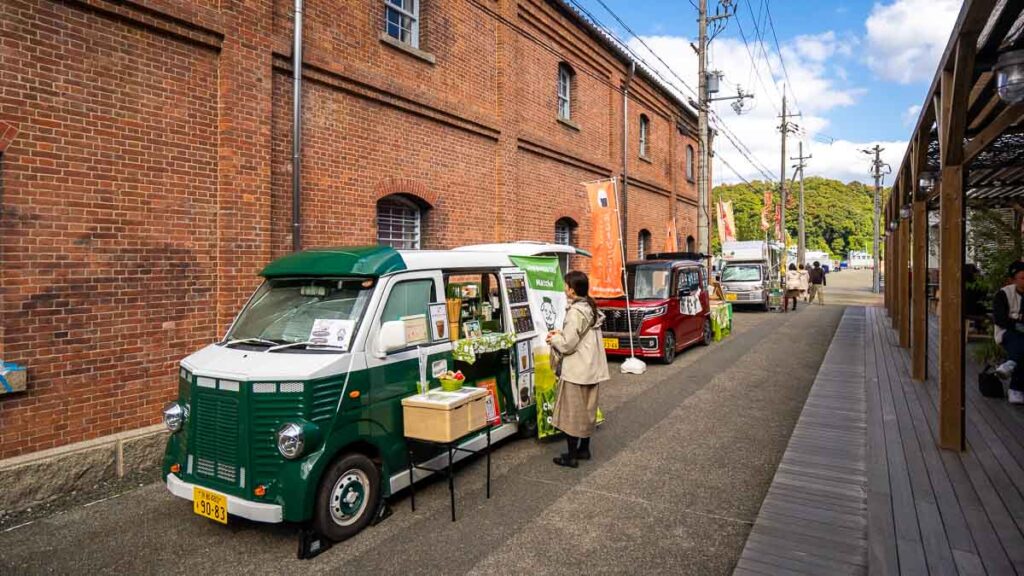
We visited on a Saturday, and we were delighted to find an ongoing art exhibition and flea market. Plus, the space is pet-friendly, so expect many dogs and cats on the weekends!
Almost every restaurant there serves a variation of Japanese curry due to its association with the Navy, which ports in the city 🍛
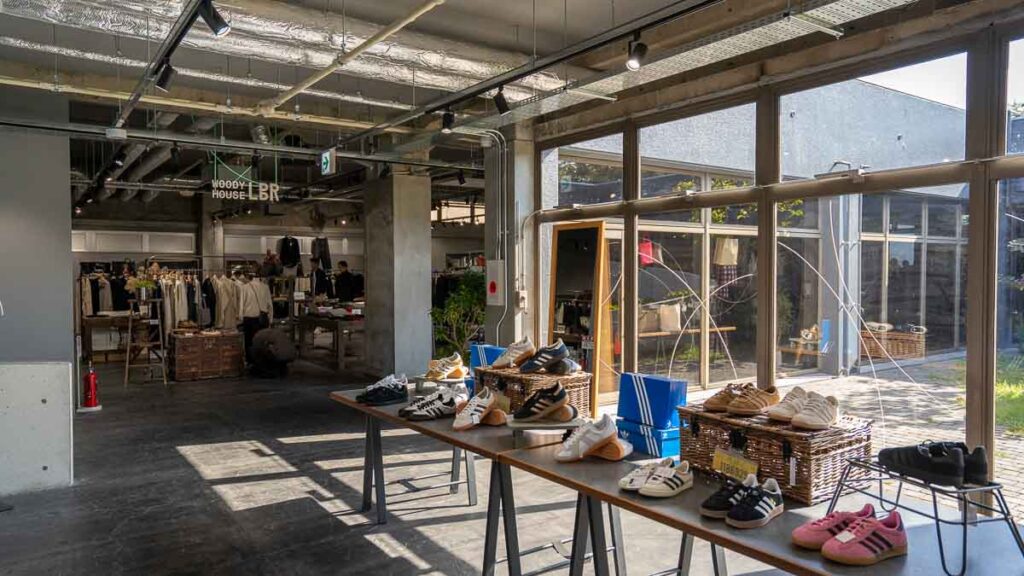
For those looking for more retail therapy, walk up the hill behind Maizuru Red Brick Park, and you’ll reach atick. It’s a modern commercial complex that opened in 2024, with shopping, a cafe, a sauna, and a panoramic lookout point.
Opening hours: 9AM – 5PM
Address: 1039-2 Kitasui, Maizuru, Kyoto 625-0080, Japan
How to get there: 1min walk from 赤れんがパーク・市役所前(バス) bus stop. Alternatively, walk 20mins from JR Higashi-Maizuru Station (Google Maps)
10) Marvel at the Maizuru Bay from Gorogadake Park
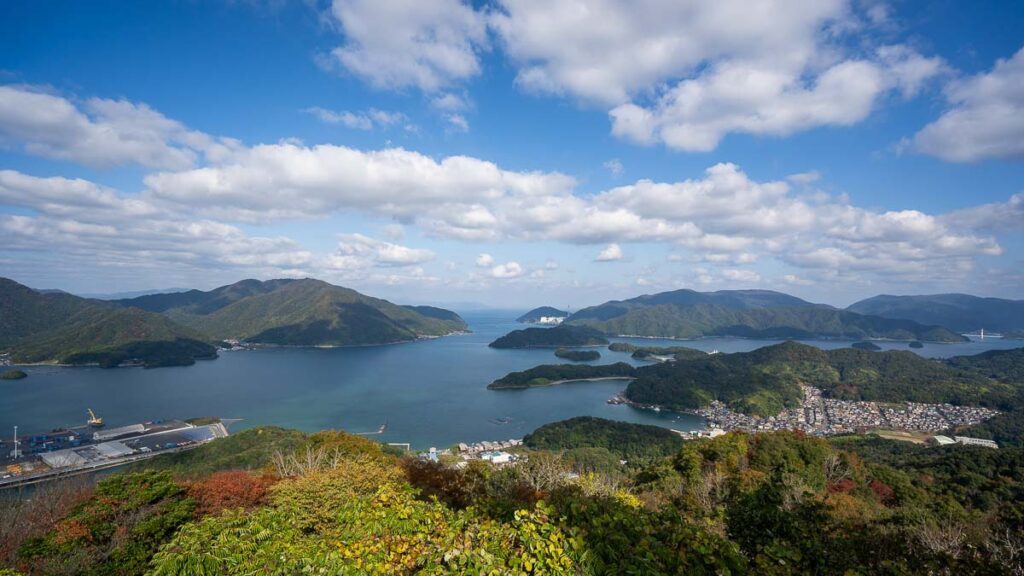
This is not Indonesia; this is Maizuru Bay in Kyoto by the Sea!
On the summit of Mount Gorogadake, Gorogadake Park sits high above. It’s the highest point in the city and has been awarded the Best View of the Kinki Region, offering a panoramic view of Maizuru City, the harbour, and the bay area.
There’s also an observation deck, Goro Sky Tower (¥300/pax), for visitors who want an even higher vantage point.
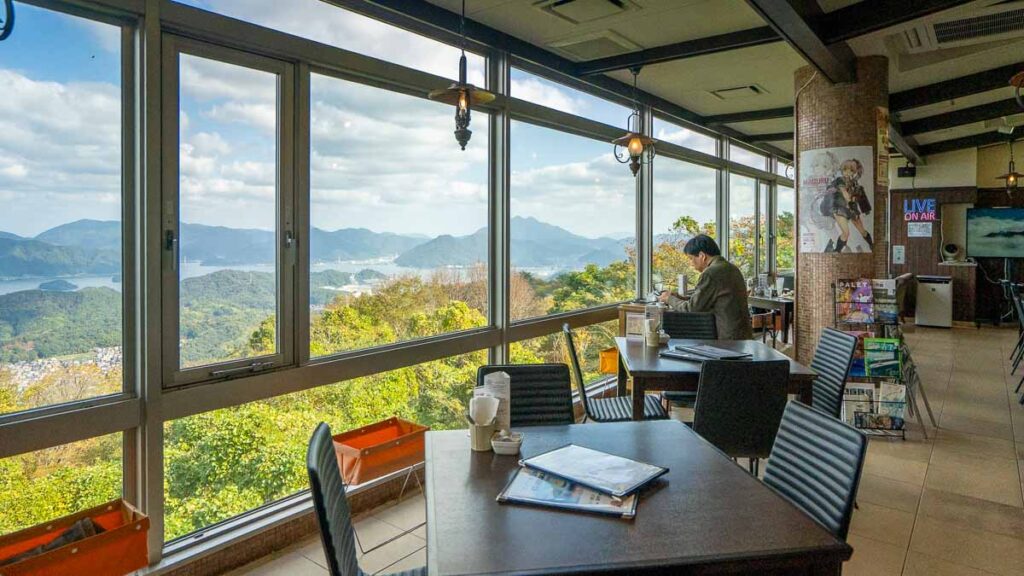
Goro Sky Cafe was one of the most underrated places on our trip, as it offered jaw-dropping views, but was relatively empty when we were there on Saturday morning.
*Pro-tip: The cafe opens early on New Year’s Day, so you can enjoy a hot drink and meal while watching the first sunrise of the year.
Entrance fee: Free
Opening hours: 24hrs (Varies per attraction)
Address: Ueyasu, Maizuru, Kyoto 624-0912, Japan
How to get there: 15min drive from Nishi-Maizuru Station (Google Maps)
Culinary experiences in Kyoto by the Sea
11) Learn how to make Tango Barazushi
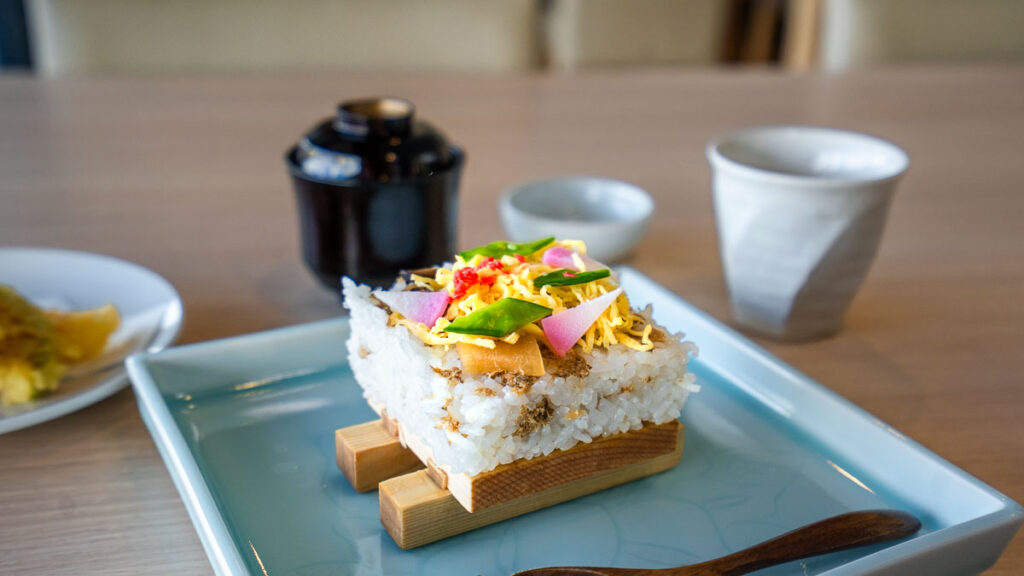
Kyotango has the highest concentration of centenarians in Japan.
And their secret for living past 100 years? Eating Tango barazushi 🐟
Okay, not exactly, but the seafood diet and lifestyle in this region are credited for their longevity. Tango barazushi is a beloved speciality in this area: crumbled grilled mackerel over sushi rice, topped with local vegetables and egg!
Learn how to assemble the barazushi at a workshop in Centrale Hotel Kyotango, where you’ll get to enjoy it with tempura and miso soup on the side.
Cost: ¥4,400/pax (~S$37)
Activity timings: 11AM – 12PM, 12PM – 1PM (Mon – Fri)
Address: Centrale Hotel Kyotango, 105-15 Omiyacho Misaka, Kyotango, 京都府 Kyoto 629-2523, Japan
How to get there: Take a free 5min shuttle service from Tango-Ōmiya Station or Ōmiya Road Park (Google Maps)
*Note: Request the free shuttle service in the request field when making your reservation.
12) Go tea-tasting at a plantation
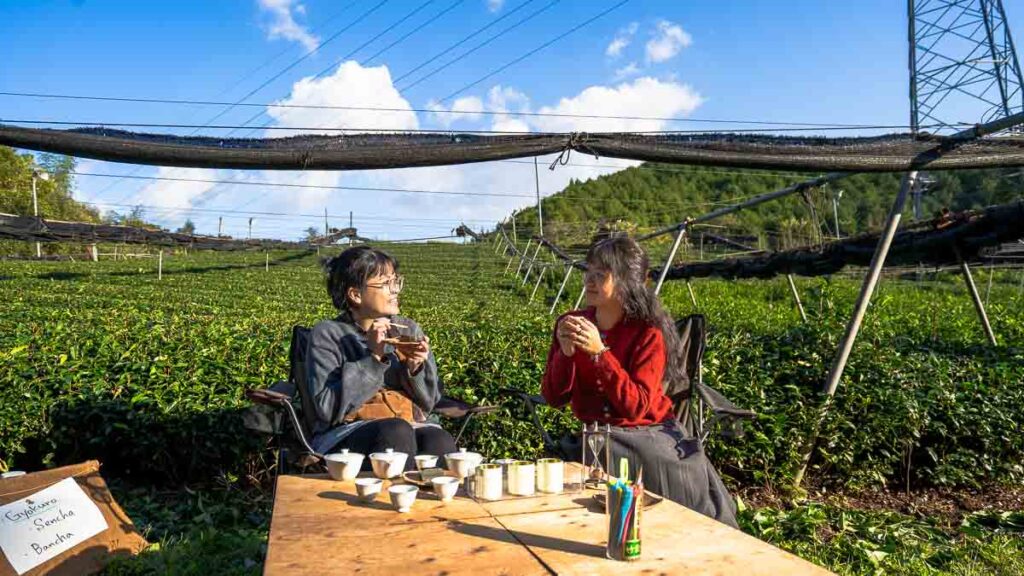
No trip to Kyoto Prefecture is complete without drinking tea! And what better way to do it than booking a tea tasting and plantation experience in Ayabe?
A farmer will take you around Jinnowo Farm and show you how various types of teas (bancha, sencha, and gyokuro) are made.
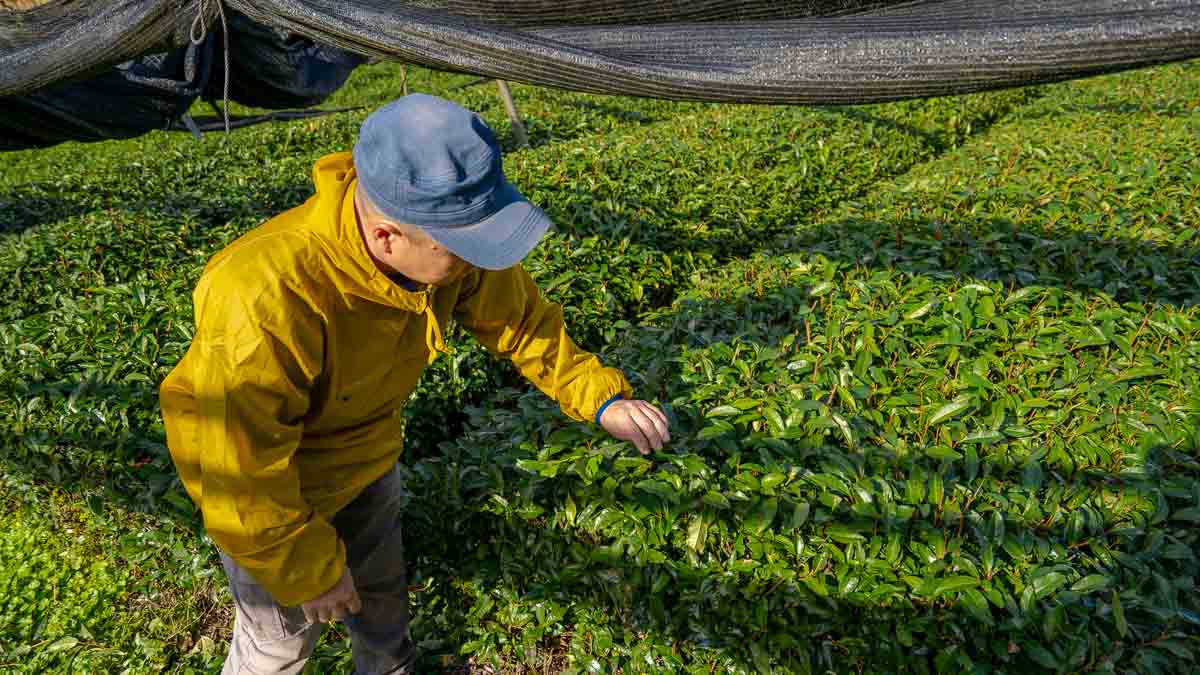
We played a game of chakabuki, a game where you smell the different roasted tea leaves and guess them by taste after steeping — which we aced!
*Note: There is a minimum requirement of two participants for the activity to proceed.
Cost: From ¥12,100/group of 2 pax (~S$102); reservations required
Tour timings: Varies (1 Jul 2025 – 31 Jan 2026)
Meeting point: JR Ayabe Station (Google Maps)
13) Recalibrate your health with a Yakuzen lunch experience
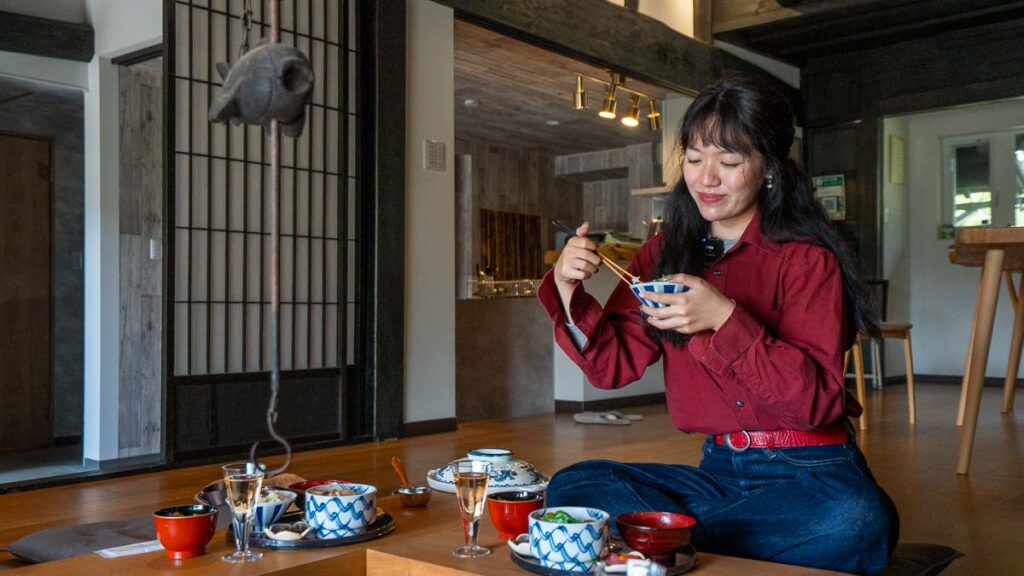
Yakuzen is a Japanese medicinal cuisine that utilises locally-sourced ingredients specifically chosen to improve bodily ailments and relieve mental fatigue.
At Soyu-an, they teach guests how to recalibrate and relax in the quiet Ayabe countryside through food!
Learn more about yakuzen, and get a body & wellness check from Fumi-san, a Certified Medicinal Diet Instructor and Occupational Therapist.
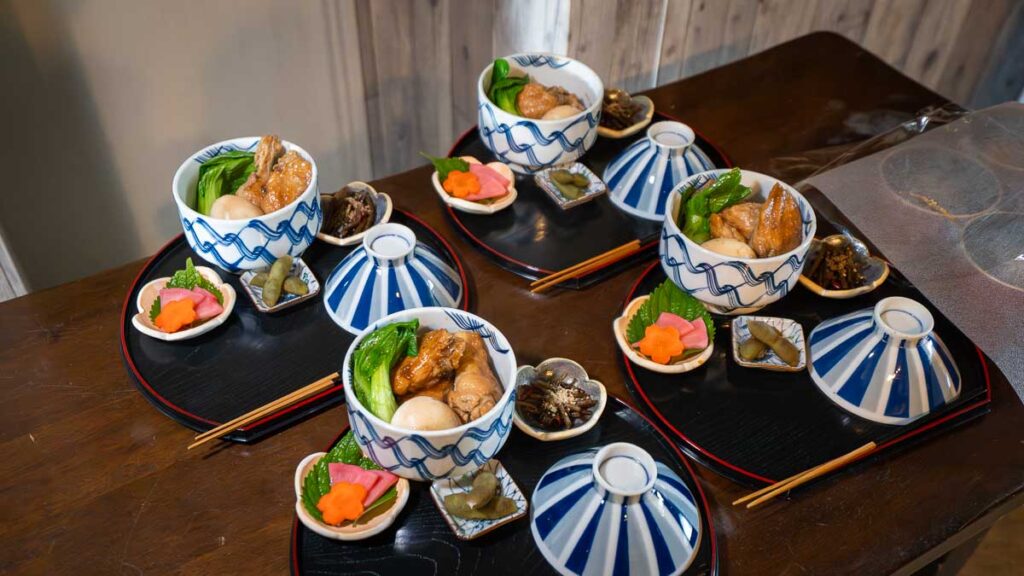
Since it’s a private lunch experience, she is able to give you personalised advice.
For example, she shared tips on how to incorporate yakuzen cooking at home, such as cooking rice in a clay pot instead of a rice cooker.
The meal she prepared for us was nutritious and had light but balanced flavours. We also got to customise our miso soup from scratch!
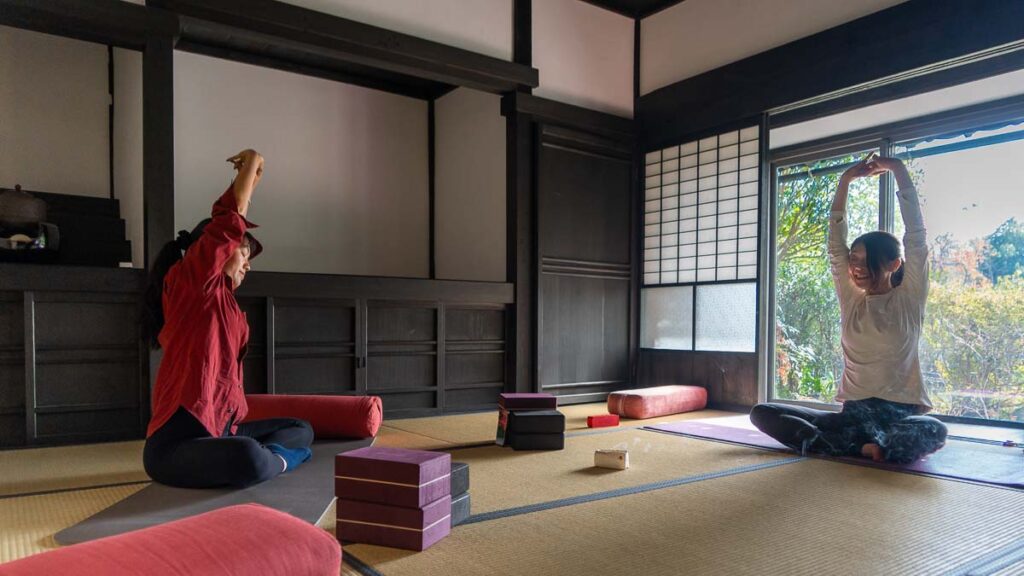
Wrap up an afternoon of wellness by adding on a yoga session (¥8,000/up to 4 pax). It’s beginner-friendly, focusing on gentle stretches and breathing to release tension in the body!
Matcha-making, meditation, guided walks and incense-making are also available for an additional cost.
*Note: There is a minimum requirement of two participants for the activity to proceed.
Cost: From ¥12,000/pax (~S$100); reservations required via the Kyoto by the Sea DMO Tour Center
Activity timings: Varies (enquire when booking)
Address: Suge-56 Uwanobuchō, Ayabe, Kyoto 623-0043, Japan
How to get there: 7min drive from JR Ayabe Station. Alternatively, contact them if you require a shuttle service (Google Maps)
14) Learn how sake is made at Yosamusume Sake Brewery
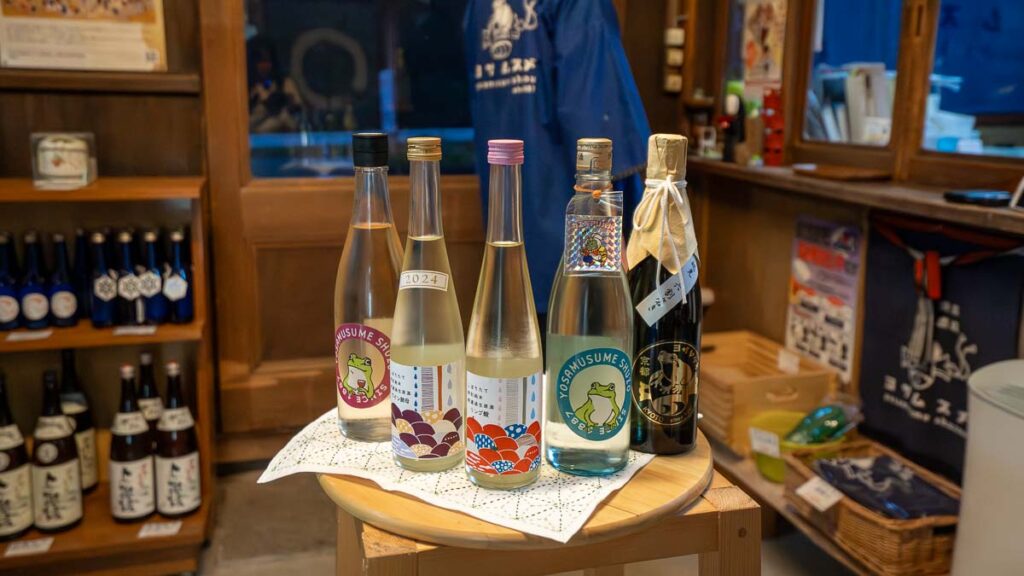
And if you’re a fan of sake, visit a multi-generational family brewery in the Kyoto countryside for a guided tour and tasting 🍶
Backdropped by rice fields and the mountains, Yosamusume Brewery is known for its sparkling and seasonal brews.
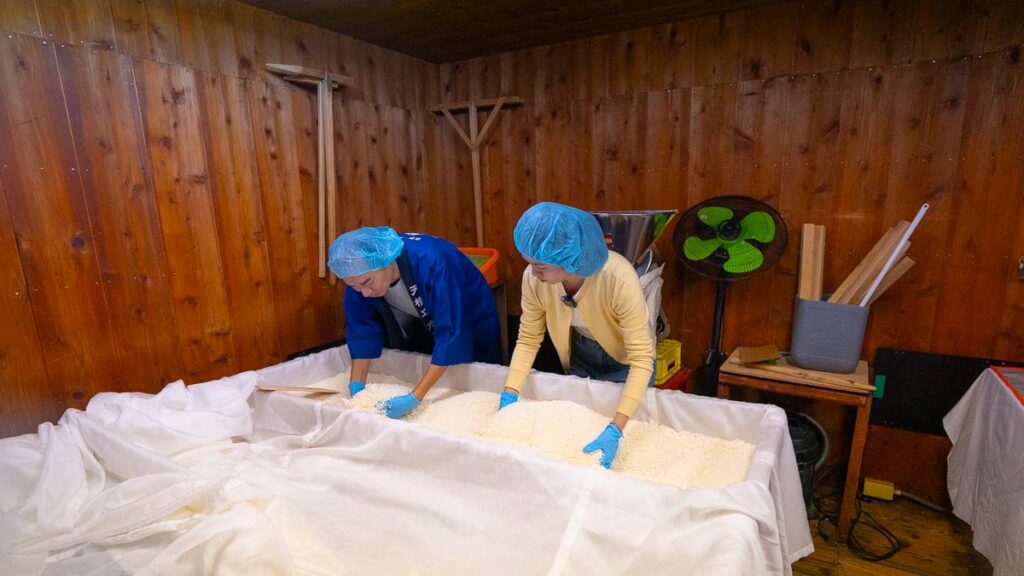
Here, you’ll get to sample five of their sakes in a traditional tatami room. If you are there at the start of sake-making season (Nov – Mar), you may get to flip sake rice, so it can be fermented.
The sakes we tried were so light and refreshing, I bought a bottle back to Singapore 😅
*Note: There is a minimum requirement of two participants for the activity to proceed, and the legal drinking age in Japan is 20 years old.
Cost: ¥5,000/pax (~S$42)
Tour timings: 10AM – 11AM, 1PM – 2PM, 3PM – 4PM
Address: 2-2 Yoza, Yosano, Yoza District, Kyoto 629-2423, Japan
How to get there: 3min walk from Futatsu-iwa bus stop (Google Maps)
15) Eat the freshest seafood at Tore Tore Center
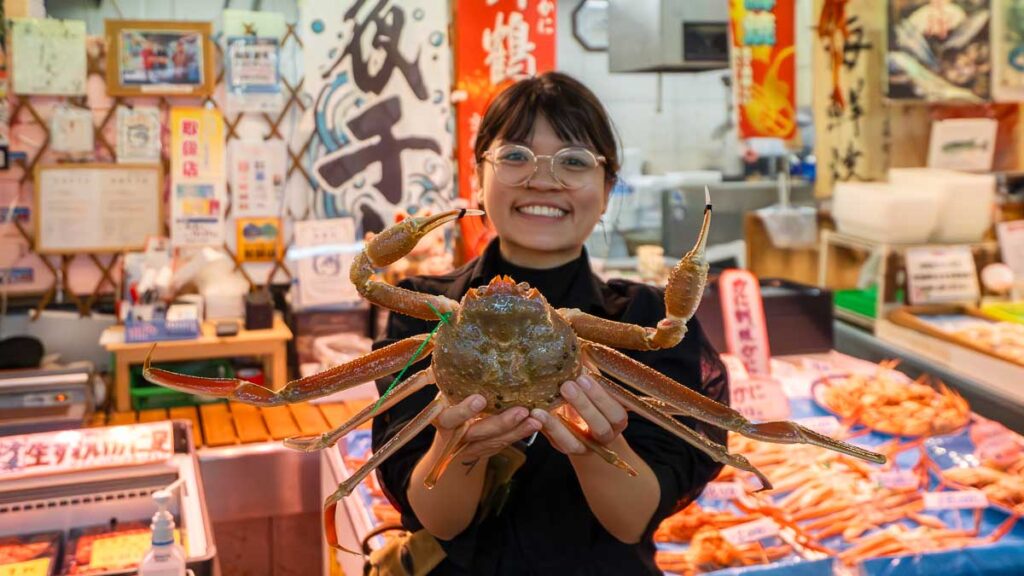
Kyoto by the Sea is famed for its snow crabs during the winter months (Nov – Mar), and Tore Tore Center is one of the popular places that sells them 🦀
Right next to Maizuru Port, it’s one of the largest fish markets in Kyoto Prefecture. They offer a wide selection of freshly-caught crab, shrimp, fish, shellfish, and more — at affordable prices. The best part is that the vendors can prepare it for you to enjoy it fresh at the market: grilled, boiled or sashimi-style.
*Pro-tip: Make your own kaisendon by buying sushi rice from one of the restaurants in the market and asking the vendors to place seafood on top!
Opening hours: 9AM – 5PM (Mon – Fri), 9AM – 6PM (Sat – Sun), closed on Wed
Address: 905 Shimofukui, Maizuru, Kyoto 624-0946, Japan
How to get there: 2min walk from Maizuru Port Tore Tore Center bus stop (Google Maps)
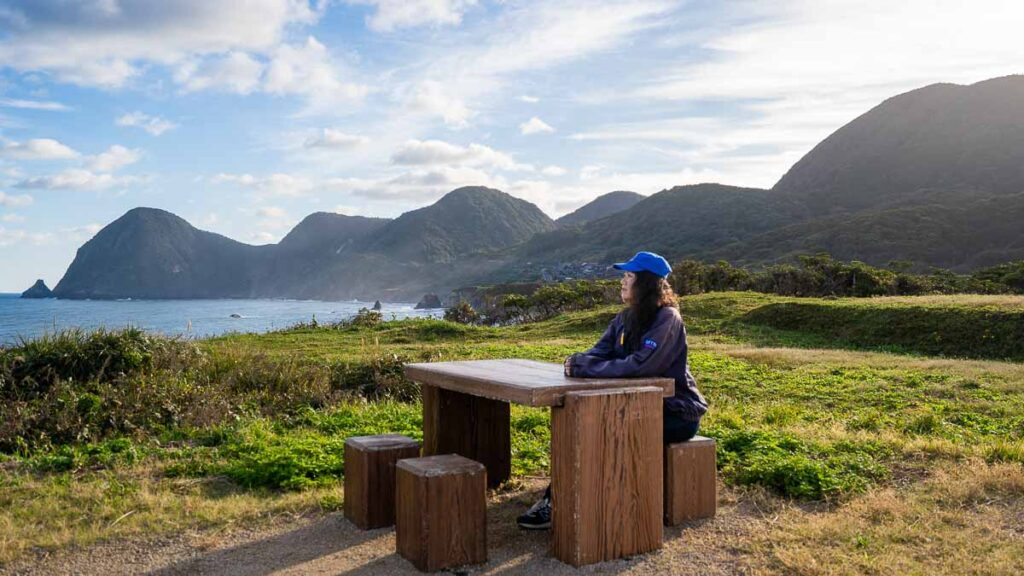
From sacred waterfall rituals to eating freshly caught snow crab, Kyoto by the Sea is packed with many unforgettable experiences — and these were the few we could do in the week we were there! For more interesting activities to add to your next visit, check out the Kyoto by the Sea DMO website.
Where to stay in Kyoto by the Sea: Fairfield by Marriott Kyoto Amanohashidate
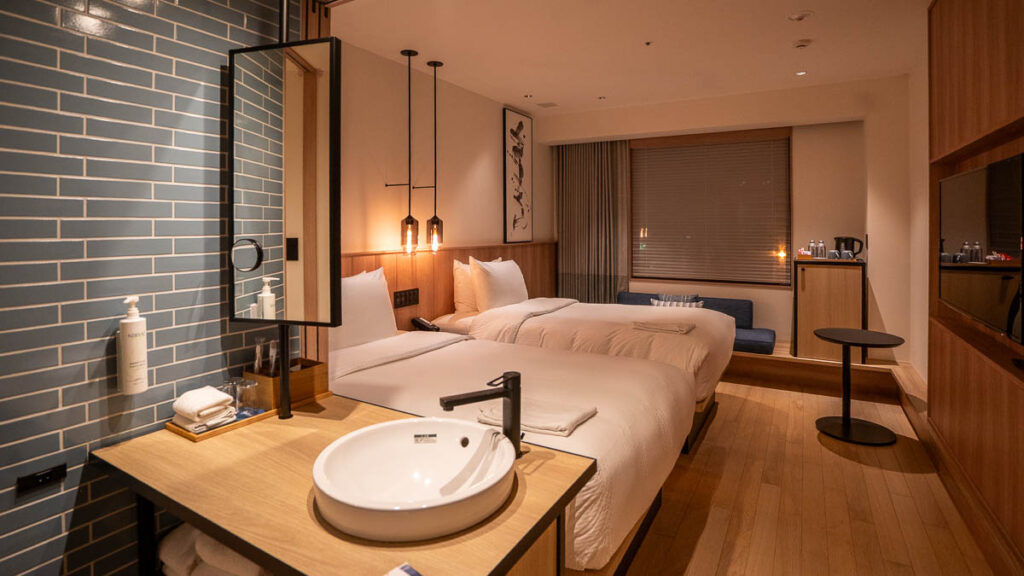
We decided to base ourselves in the middle of Kyoto by the Sea by staying in Fairfield by Marriott Kyoto Amanohashidate in Miyazu City. As we were self-driving, it was a perk that the hotel offered free parking!
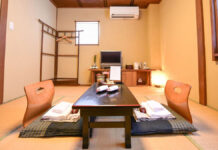
The Standard Twin Room is spacious and clean, fully-equipped with daily water, bathroom amenities, and a bidet toilet 🤩 There’s also a pantry in the lobby that’s free to use, with a coffee machine, tea, a microwave, and kitchenware.
I personally loved that the hotel is less than a 5-minute walk to the supermarket, restaurants, bars, bakeries and even a department store. Plus, it’s near the ocean! 🌊
Cost: From ¥19,360/night (~S$191.20, 2pax)
Address: 1994 Shinhama, Miyazu, Kyoto 626-0016, Japan
How to get there: 5min drive from Amanohashidate station. Alternatively, walk 13min from Miyazu station (Google Maps)
Tips for travelling in Kyoto by the Sea (Northern Kyoto)
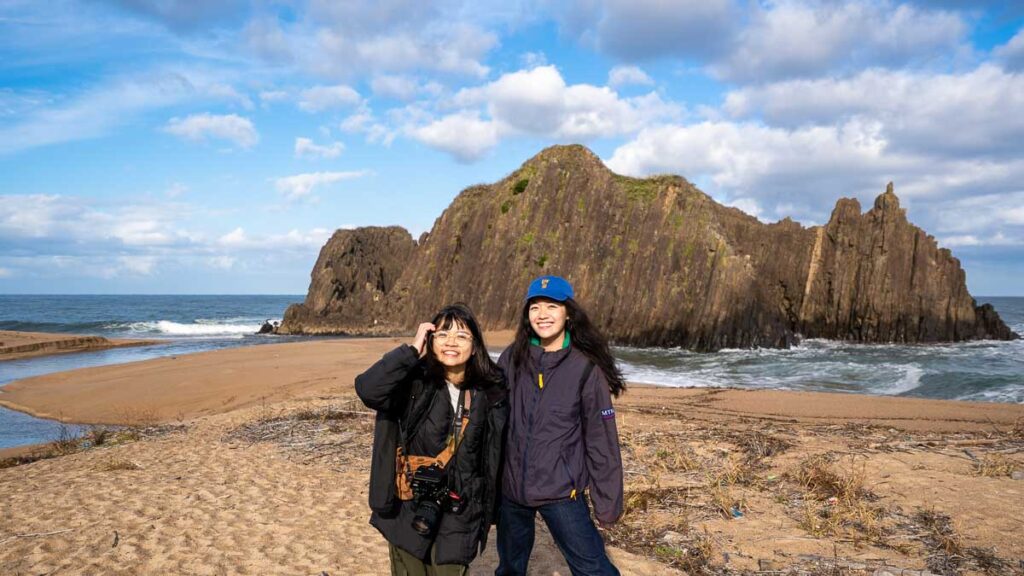
Perhaps it’s the locally-harvested food or being cleansed by a sacred waterfall, but I left Kyoto by the Sea feeling rested and recharged.
The region surprised me with its untouched natural landscapes, delicious (yet healthy) food and culture. It’s the opposite of Kyoto City in the best way possible, being a fantastic break from urban city life 🤓
I’m already planning on coming back so I can add a few more decades to my life with some yakuzen and barazushi 🤞🏻 Maybe a month-long slow travel in the Kyoto countryside is in the cards?
1) Book your experiences via Kyoto by the Sea DMO
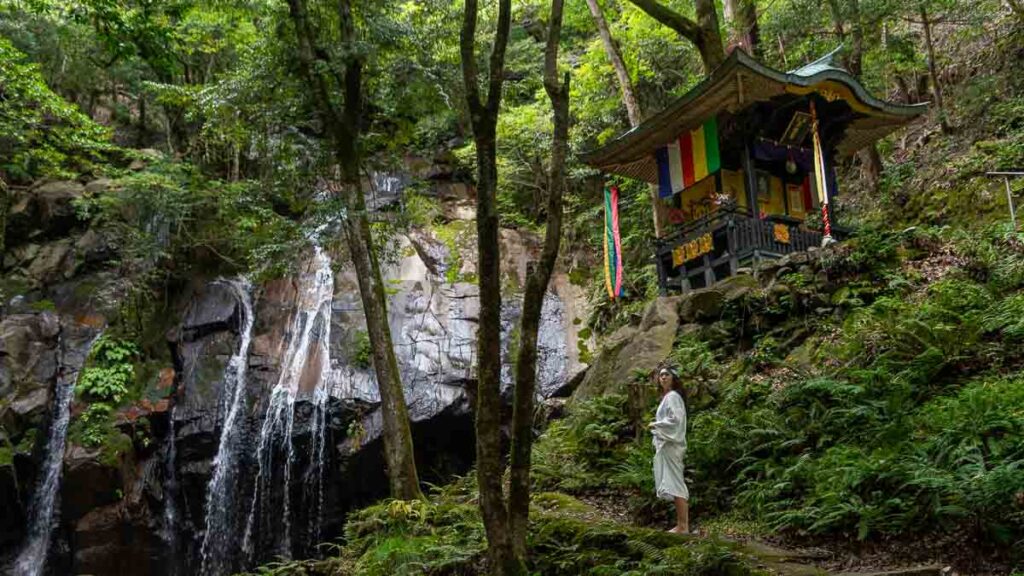
Most experiences in the region are only available on a reservation-only basis through the Kyoto by the Sea DMO website. It’s more convenient to send a request through them, so they can translate and liaise with the local vendors, as most of them are small businesses.
2) Cash is king
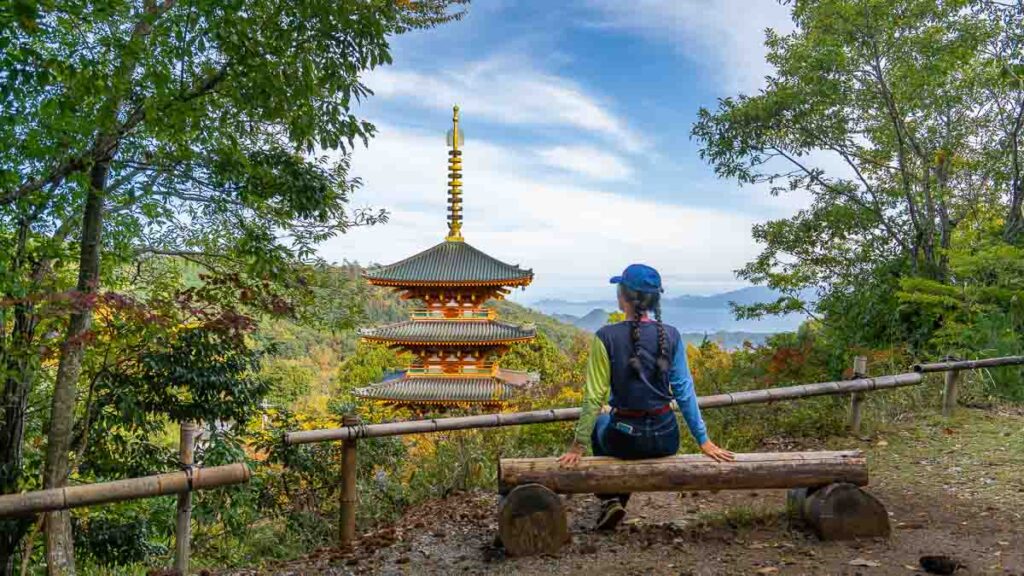
Make sure to bring enough cash, as most places like restaurants, shrines, and souvenir shops only accept cash. We found ourselves having to go out of the way to withdraw money because we didn’t bring enough 😅
3) Download Google Translate
English is not widely spoken or written in the area, so I found myself whipping out Google Translate to communicate. Additionally, the camera function proved helpful when reading menus and tourist information pamphlets.
Planning a trip to Japan? Check out our guides and itineraries:
– Driving in Japan — 15 Things First Timers Should Know Before Planning that Road Trip
– 6D5N Kyoto-Based Japan Itinerary — Things to do Beyond Fushimi Inari Shrine and Nara Deer Park
– 7 Day Trips from Osaka Besides Kyoto and Nara — Under 2.5hrs by Train
– Top 11 Ryokans in Kyoto to Experience Authentic Japanese Hospitality — From ~S$100/night
– 5-Day Summer Tohoku Itinerary Exploring Japan’s Quiet Charm — Miyagi, Iwate, Aomori and Akita
Which of these spots in this Kyoto by the Sea guide would you visit? Let us know in the comments below!
This post was brought to you by Kyoto by the Sea DMO as part of a media familiarisation trip.
For more travel inspiration, follow us on Instagram, YouTube, Facebook and Telegram!