


An all-in China guide for first-time travellers who want less stress, more dumplings, and maximum savings!

China is a land of striking contrasts. Towering skylines meet tranquil water towns, and ancient cultures still thrive amidst futuristic cities… it’s a country that surprises us every time we visit!
Admittedly, planning a trip there might be overwhelming with mobile payments, apps, and itineraries to figure out. But once you know how it all works, everything becomes surprisingly easy.
In this China guide, we’ll cover tips for your first trip, and other things you need to know if you’re looking to save some $$$.
Plus, get to know the UOB EVOL Card, a travel cashback credit card with money-saving benefits like (a) 0% foreign exchange (FX) fees worldwide, and (b) up to 3% cashback (till 31 Jan 2026) on all eligible overseas spend! Read on to learn more about it 😉
Pre-trip essentials
China entry requirements
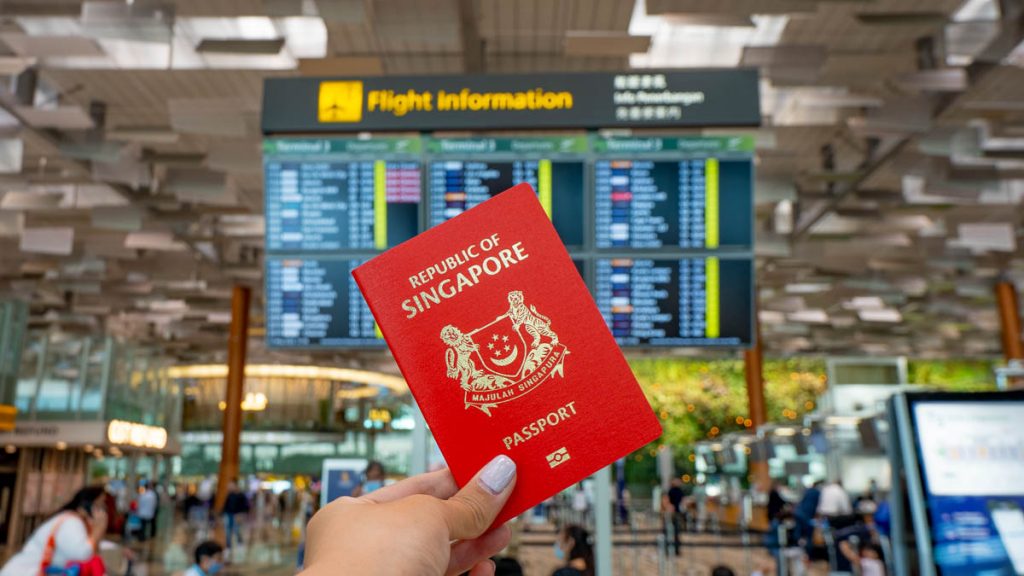
Visa: For Singaporean passport holders, you don’t need a visa to enter China if you’re only staying up to 30 days. Just make sure your passport has at least 6 months validity!
Arrival card: Starting 20 November 2025, travellers may fill out a digital arrival card in advance via the National Immigration Administration (NIA) website, the NIA12367 app, and the WeChat or Alipay mini-programmes.
Mini-programmes are small apps that run inside WeChat and Alipay, so you can access the NIA arrival-card form directly within those platforms — no separate downloads needed!
Currently, you can fill out a physical form upon arrival, or a digital form at select airports by scanning a QR code in the airport, or via a self-service kiosk.
*Note: If you’re only landing and staying within Hainan for your entire trip, then you do not need to fill out an arrival card.
China apps to download
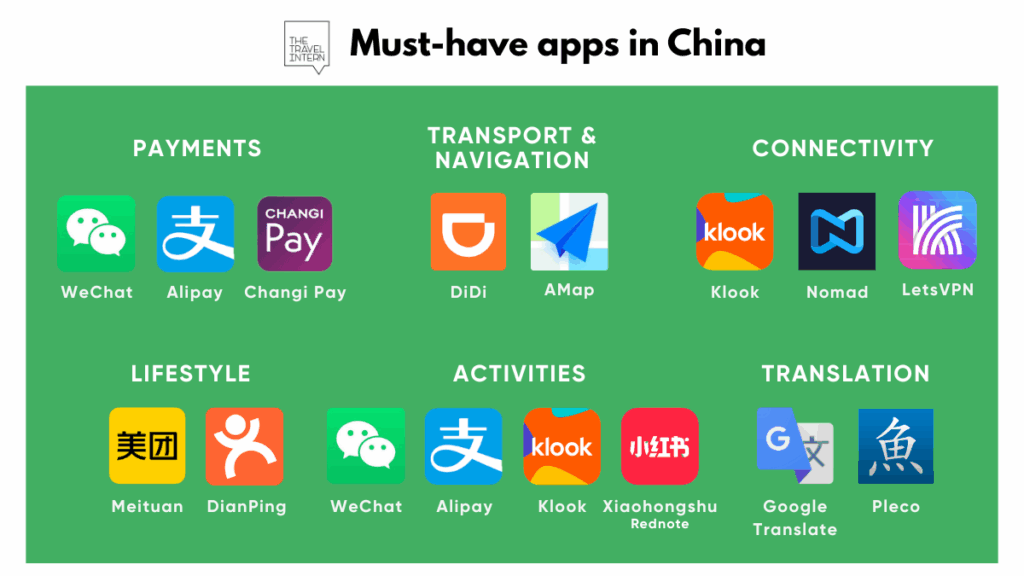
Getting around China is much easier with the right apps, but remember to download and set them up before you arrive so that you don’t waste time figuring out connections or translations on arrival.
*Pro-tip: Use the “mini-programmes” within WeChat and Alipay to access Meituan, AMap, DiDi, and more — without having to jump between apps.
🤑 Payments

Mobile payments are king in China, whether you’re in a big city or a small town. You’ll rarely see people using cash — even small stalls use QR code payments — so it’s best to link your card to WeChat Pay or Alipay for smoother transactions.
*Pro-tip: Get a credit card with 0% foreign exchange (FX) fees worldwide such as the UOB EVOL Card, then link it to the payment methods below to save money — no top-ups, no cap and no minimum spend required! Plus, you can even get up to 3% cashback on all eligible overseas spend worldwide (valid till 31 Jan 2026).
1) WeChat Pay (iOS / Android): The go-to payment platform in China. Once linked to your international credit card, you can use it to scan and pay for almost everything: meals, shopping, DiDi rides, attraction tickets, and more.
2) Alipay (iOS / Android): Has a user-friendly English interface. Widely accepted across shops, restaurants, and transportation.
🚖 Transportation & Navigation
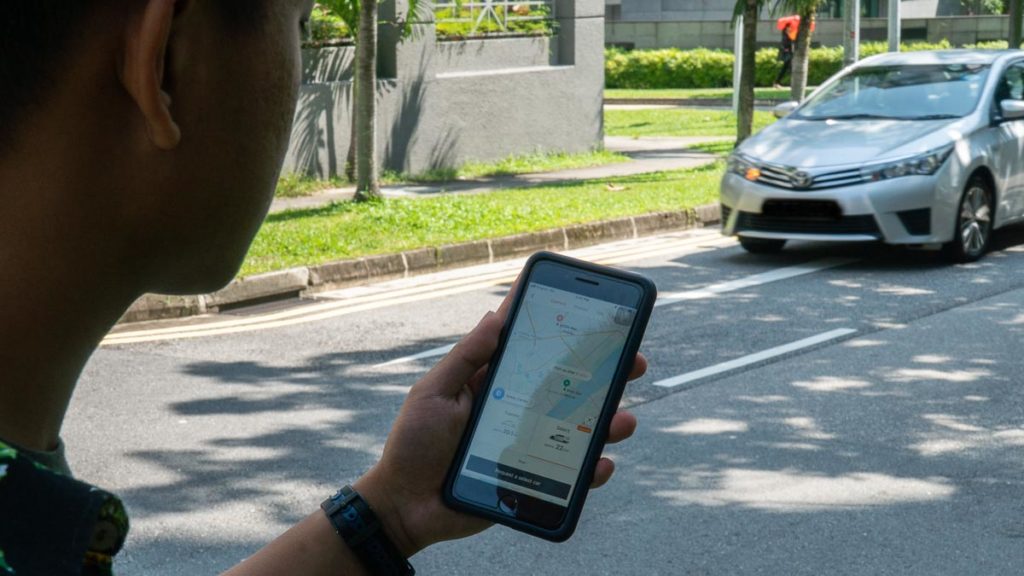
1) DiDi (iOS / Android): China’s version of Grab — book rides, pay in-app, and see your driver’s details. It also has a mini-programme in WeChat or Alipay.
2) AMap (iOS / Android): The most reliable navigation app for walking, driving, and public transport — as Google Maps does not work in China without a VPN (data there is also outdated). AMap also shows real-time traffic, bus routes, and subway connections.
*Pro-tip: Type your desired location in Chinese characters, because English searches may not always bring up the correct place.
📱 Connectivity

Getting an eSIM (with a built-in VPN) instead of a physical SIM card may be more convenient if you’re planning to use restricted apps in China like Google apps, Instagram, Facebook, Telegram, etc.
But a physical SIM can be more practical because it gives you a local mobile number to use for verification purposes, and contacting merchants. This will come in handy when booking activities, rides, or food delivery through local apps like WeChat or Meituan. However, you’ll have to install a separate VPN to access restricted apps.
1) Klook or Nomad: Pre-book an eSIM which will be e-mailed to you a few minutes after your purchase! Comes with built-in VPN.
2) LetsVPN: If you’re using a local SIM, then downloading a VPN (like LetsVPN) is essential to access social media and Google services. Install and test it before your flight.
🤑 And here’s a quick budget hack: book your SIM online with the UOB EVOL Card to get up to 10% cashback!
🥡 Lifestyle, Activities & Food

1) WeChat (iOS / Android): Book attractions, local experiences, and tours within the app. Note that some features (like mini-programmes) are displayed in Chinese, even if your app language is set to English.
2) Alipay (iOS / Android): Has the same capabilities as WeChat, but is more foreigner-friendly as it is fully available in English.
3) Klook: Great for booking tours, attraction passes, transport packages, and unique dining experiences in advance — even before your trip.
4) Meituan (iOS / Android): A popular food delivery & restaurant app to find the best dining spots nearby. Note that you’ll need a SIM with a local number for this.
5) DianPing (iOS / Android): Discover trending eateries, attractions, hair salons, etc.
6) Xiaohongshu / Rednote (iOS / Android): A TikTok-meets-Pinterest app where users share photo guides, itineraries, hidden gems, and must-try restaurants. Best way to discover hidden gems, tbh!
🗣️ Translation

1) Google Translate (iOS / Android): For English to Chinese translation; also scans menus and street signs with its camera feature
2) Pleco (iOS / Android): An excellent offline Chinese dictionary — perfect when there’s no data or WiFi
Getting around China
China High-Speed Rail: for travelling between major cities

China’s high-speed rail network includes trains that run up to an impressive 350km/hr, connecting most major cities like Beijing, Shanghai, Xi’an, and Chengdu. Oftentimes, trains are punctual, clean, and offer stunning countryside views.
For convenience, pre-book your tickets online through platforms like Trip.com or Klook. Don’t forget to use your UOB EVOL Card to enjoy up to 10% cashback on local online purchases 😉
You can also buy them directly at the station — but note that you’ll need to present your passport.
Choose between first-class seats (wider legroom and fewer people), and second-class seats (a more budget-friendly option). Either way, both carriages have charging ports and ample luggage space.
Subways and buses: for affordable short-distance rides

Most major cities in China have clean, efficient subway and bus networks that make getting around easy and inexpensive.
Metro rides can cost as low as 3RMB (~S$0.60)! It’s usually the fastest way to travel, especially during rush hour.
To pay, simply scan your phone using WeChat Pay or Alipay at the subway gates or when boarding the bus. If you prefer a physical card, get a T-Union Metro & Bus Card, which works across multiple cities.
Did you know? You can now tap into the Beijing and Shanghai subways via Apple Pay, or credit card. Use your UOB EVOL Card to enjoy 0% foreign exchange fees on your rides 😉
Alternatively, buy single-journey tickets from vending machines at most subway stations, or pay with coins on buses. Note that international credit cards are not available as payment for both.
DiDi: for convenient private rides

DiDi Chuxing (or DiDi for short), is China’s version of Grab. Just set your location, choose your ride type, and pay through the app. It’s perfect for late-night trips, or getting to places the subway doesn’t reach.
Link a credit card with 0% foreign exchange fees worldwide, such as the UOB EVOL Card, to your DiDi account to avoid extra charges. You’ll also earn up to 3% cashback on all eligible overseas spend until 31 January 2026 😉.
*Pro-tip: Drivers may call their customers upon arrival, but that won’t work if you’re using an eSIM. Send them a message in the app with this:
师傅您好,我的电话打不通,到了可以在这儿回复我。谢谢!
(Translation: Hello, I am uncontactable by calling. Please text me here once you’ve arrived. Thank you!)
Where to go in China

While China is huge and incredibly varied, we’ve narrowed our list down to Beijing, Shanghai, and Chongqing — cities that give first-timers a perfect balance of the country’s history, modernity, and unique character!
1) Beijing

Meet Beijing, China’s historic heart and political capital. Aside from seeing beautiful structures like Temple of Heaven and Summer Palace, do something exciting by walking through the Forbidden City (which has 980 buildings!) — or hiking along The Great Wall of China at Mutianyu.
Stroll through hutongs — narrow alleys that show old Beijing charm — and end your day with a plate of peking duck at a local restaurant.
2) Shanghai

Shanghai is China’s modern metropolis with plenty of hidden gems… and it’s also home to Disneyland! It has all the magic of other Disney parks — plus the unique distinction of being the only one in the world with a Zootopia-themed land.
Then wander through the artsy alleys of Tianzifang and Xintiandi, where shophouses now host cafes and trendy shops.
Shanghai is also a food and shopping haven, so don’t forget to use a card with 0% FX fees worldwide (like the UOB EVOL Card) to maximise your savings! No top-ups, no cap and no minimum spend are required.

For a scenic route, take a short trip to the water town of Zhujiajiao and see awesome skyline views from Lujiazui, or the iconic The Bund.
3) Chongqing

While Chongqing is often called the Mountain City and Hotpot City, it also feels straight out of a cyberpunk film. You’ll know if you’ve seen the TikTok motorbike trend that’s been making the city popular nowadays.
Watch a train pass through an apartment building at Liziba Station, explore the creative maze of cafés and murals at TESTBED 2, and bask in the glow of Hongyadong — where you’ll witness stacked buildings light up like a futuristic cityscape!
And of course, it’d be a crime not to try their legendary spicy hotpot when you’re here 🤤

For something more nature-y, escape to the otherworldly Wulong Karst National Park. Here lies scenic places like Three Natural Bridges — where towering stone arches span deep green valleys, and Longshuixia Fissure Gorge — featuring deep valleys and powerful waterfalls.
*Pro-tip: With so many scenic day trips from Chongqing, guided tours make them easier by removing the transport headache. Pre-book a tour from local or online travel agencies (like Klook & Trip.com) with your UOB EVOL Card, and get up to 10% cashback. This also applies to all local online purchases and mobile contactless spend!
Mistakes to avoid and tips for your China trip
1) Save money (even before you land) in China
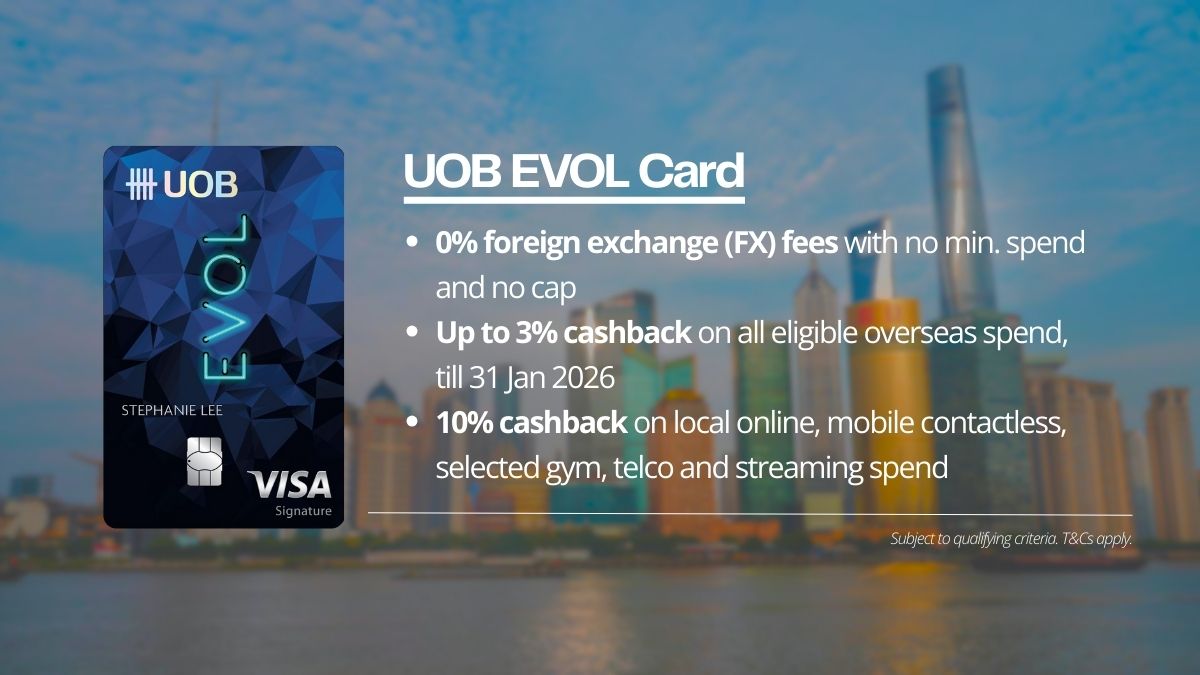
Staying within a budget when travelling can honestly be challenging at times. But one of the most powerful weapons you can have with you is a credit card optimised for travel!
One example is the UOB EVOL Card, which can save you money before, during, and after your trip.
a) Book your trip essentials online: Whether you’re booking flights, accommodations, or activities, you can use your UOB EVOL Card for local online spend, and get up to 10% cashback.
b) Avoid hidden bank fees: The UOB EVOL Card has 0% foreign exchange fees worldwide, so you won’t have to worry about additional fees when you go shopping.
c) Earn when you spend: When you tap, scan, or swipe in China, you’ll earn up to 3% cashback on all overseas FX spend. This includes mobile payments via WeChat Pay or Alipay — until 31 January 2026. No minimum spend, no cap, and no top-up required!
2) Avoid public holidays

Just like with other countries, public holidays = bigger crowds = (potentially) less fun. Here are the China public holidays you’d want to avoid:
| Public Holiday | Dates (2026) |
| New Year’s Day | 1 to 3 January |
| Lunar New Year (Spring Festival) | 14 to 28 April |
| Qingming Festival | 4 to 6 April |
| Labour Day | 1 to 5 May |
| Dragon Boat Festival | 19 to 21 June |
| Mid-Autumn Festival | 25 to 29 September |
| National Day | 1 to 7 October |
While the dates listed are for 2026, note that these holidays usually fall in similar periods every year.
3) Check your power bank
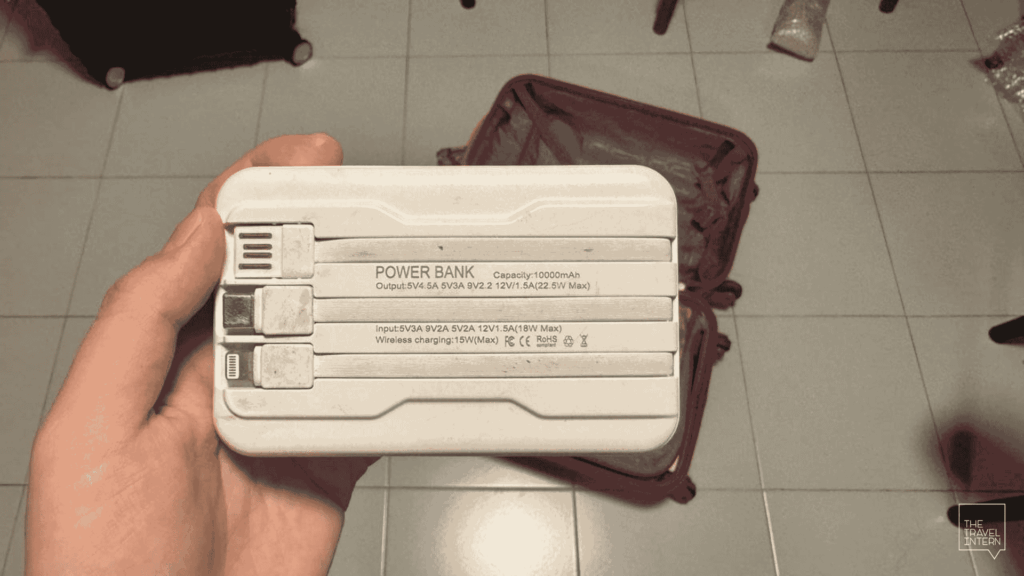
Did you know you can’t just bring any type of power bank to China?
When flying within or into China, only bring power banks with a capacity limit of up to 100Wh (20,000mAh). Anything between 100 to 160Wh may need prior permission from the airline, and power banks over 160Wh are strictly prohibited.
You can’t bring more than two per person, and most importantly: they must have clearly-labelled China Compulsory Certificate (CCC) (for domestic travel/layover within China), and capacity markings.
Otherwise, you can say zàijiàn (goodbye) to your beloved power bank 👋
Is it worth visiting China?

China can feel daunting at first with the language barrier, their super modern way of living, and all the pre-trip prep. But once you understand how things work there, it quickly becomes one of the most rewarding and (easiest!) destinations to travel in Asia.
You’ll see how China offers a rare mix of vibrant city living, culture, and adventure that few countries can match. And as long as you have the right apps and tools with you, your trip will be close to seamless.
From transport to dining and activities, having a travel-optimised card like the UOB EVOL Card also helps you save with 0% FX fees worldwide, and up to 3% cashback on all eligible overseas spend*. Plus, get up to 10% cashback on local online spend — perfect for pre-booking travel essentials!

Planning ahead makes it easier to embrace China’s unique and ever-evolving nature. It’s a country that never stops reinventing itself, and makes every visit unforgettable!
Before you leave, check out our comprehensive China itineraries and guides to help you plan your trip:
– Beijing: Ultimate First-Timer’s Guide to China: 14 Exciting Things To Do In Beijing
– Shanghai: 7D6N Shanghai Itinerary — New and Lesser-known Places Beyond The Bund and Disneyland
– Chongqing: 7-Day Chongqing Itinerary for First-timers — Futuristic Cityscapes, Mountain Treks and Hotpot Foot Massages
– Yunnan: 12D Yunnan Itinerary: China’s Best Kept Secret — Kunming, Dali, Lijiang, Shangri-la
*The up to 3% cashback promo is only available until 31 January 2026. Subject to qualifying criteria, T&Cs apply. There is no minimum spend, no cap, and no top-up required to enjoy 0% FX fees on UOB EVOL Card.
Anything we missed out on our China guide for first-time travellers? Let us know in the comments below!
This post was brought to you by UOB EVOL Card. All listed benefits are subject to qualifying criteria. Terms and conditions apply.